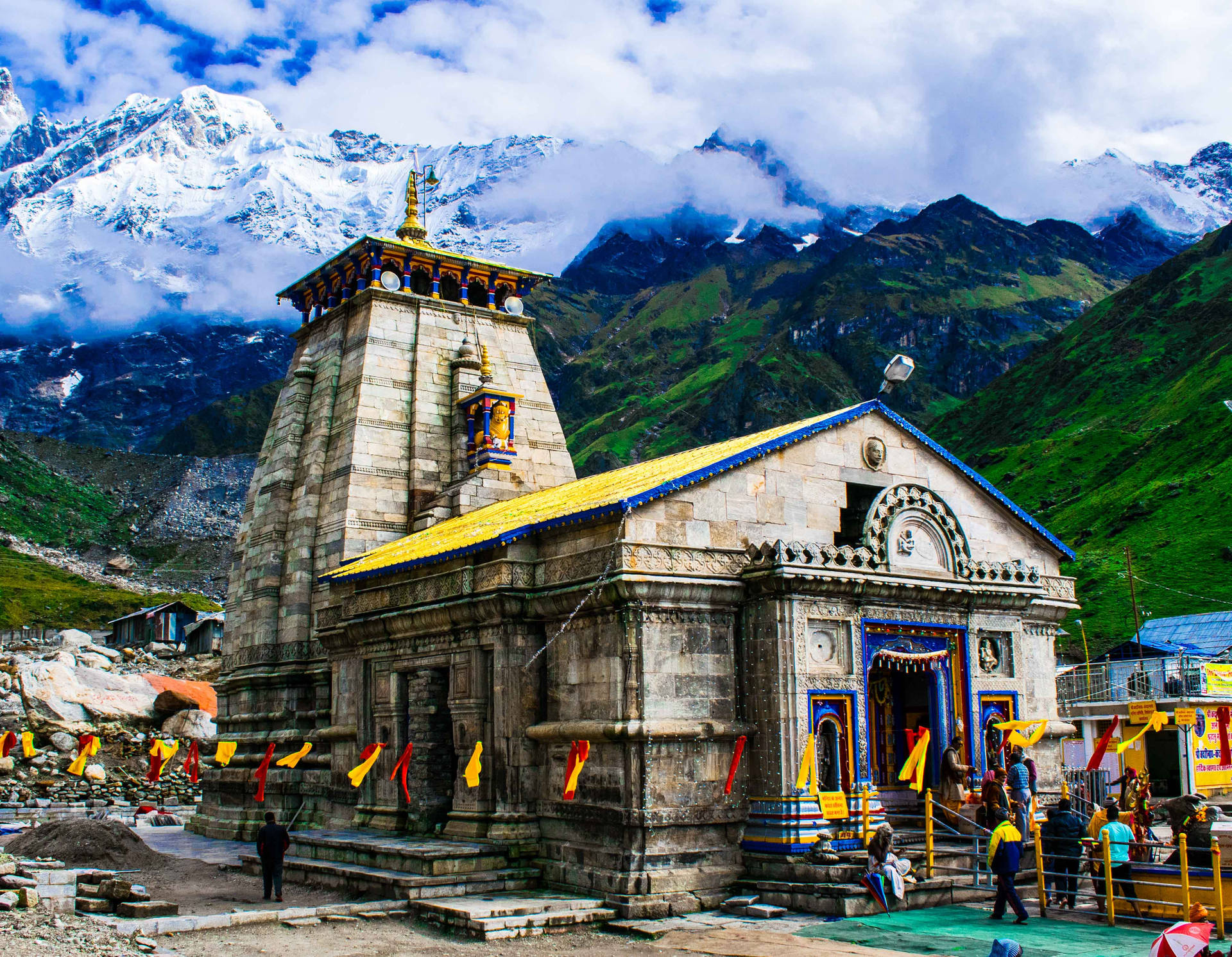

Kedarnath Temple
About Kedarnath Temple
The temple maintains a structured daily schedule of worship and public access. The Mangala Aarti, the dawn ritual, begins at 04:00, followed by general darshan from 06:00 to 15:00. The temple closes during midday hours from 15:00 to 17:00, then reopens for evening darshan from 17:00 to 21:00. The Shayan Aarti, an evening ritual, takes place between 19:00 and 20:30, with the temple closing at 21:00.
Visitors wishing to witness the aartis—the ritual offerings of light and devotion—should arrive during these designated times. The early morning Mangala Aarti offers a particularly significant opportunity for participation in temple worship.
Practical Information for Visitors
Kedarnath sits at approximately 3,583 metres above sea level, making it one of the highest Shiva temples in the world. This altitude presents real considerations for pilgrims: the region experiences reduced oxygen pressure, increased ultraviolet radiation, and low humidity. Visitors should consult health advisories before travel and monitor weather forecasts from official sources.
Prior registration is mandatory for those wishing to visit. Registration must be completed through the official portal using an Indian mobile number. The temple committee manages online booking for pujas and accepts donations through their registered system. Helicopter shuttle services are available through dedicated booking platforms for those unable to undertake the overland journey. Vehicle permits and green cards are required for those travelling by road to the Char Dham shrines.
In case of emergency, the State Emergency Operation Center can be reached at 0135-2710334 or the toll-free number 1070.
The Pilgrimage Route and Surroundings
Kedarnath forms part of a broader network of sacred sites managed by the Shri Badarinath Kedarnath Temple Committee. The route to Kedarnath passes through or near other temples under committee management, including Tunganath Temple and various shrines dedicated to other deities. The Garhwal Himalayan setting provides the geographical and spiritual context for this pilgrimage circuit.
The temple's location in the high mountains means that access routes and conditions vary seasonally. Pilgrims should plan their journey with awareness of road conditions, weather patterns, and the availability of accommodation and support services along the route.
Preparation and Etiquette
Temples dedicated to Shiva typically observe certain conventions regarding dress and conduct. Visitors should dress modestly and respectfully. The high altitude and mountain environment require appropriate physical preparation; those with health concerns should consult medical professionals before undertaking the pilgrimage.
The temple committee provides information services and health advisories to assist pilgrims in safe travel. Uttarakhand tourism authorities also maintain weather and climate information. Planning ahead—checking forecasts, arranging registration, and booking any required services—ensures a more orderly pilgrimage experience.
How to reach
You may also visit
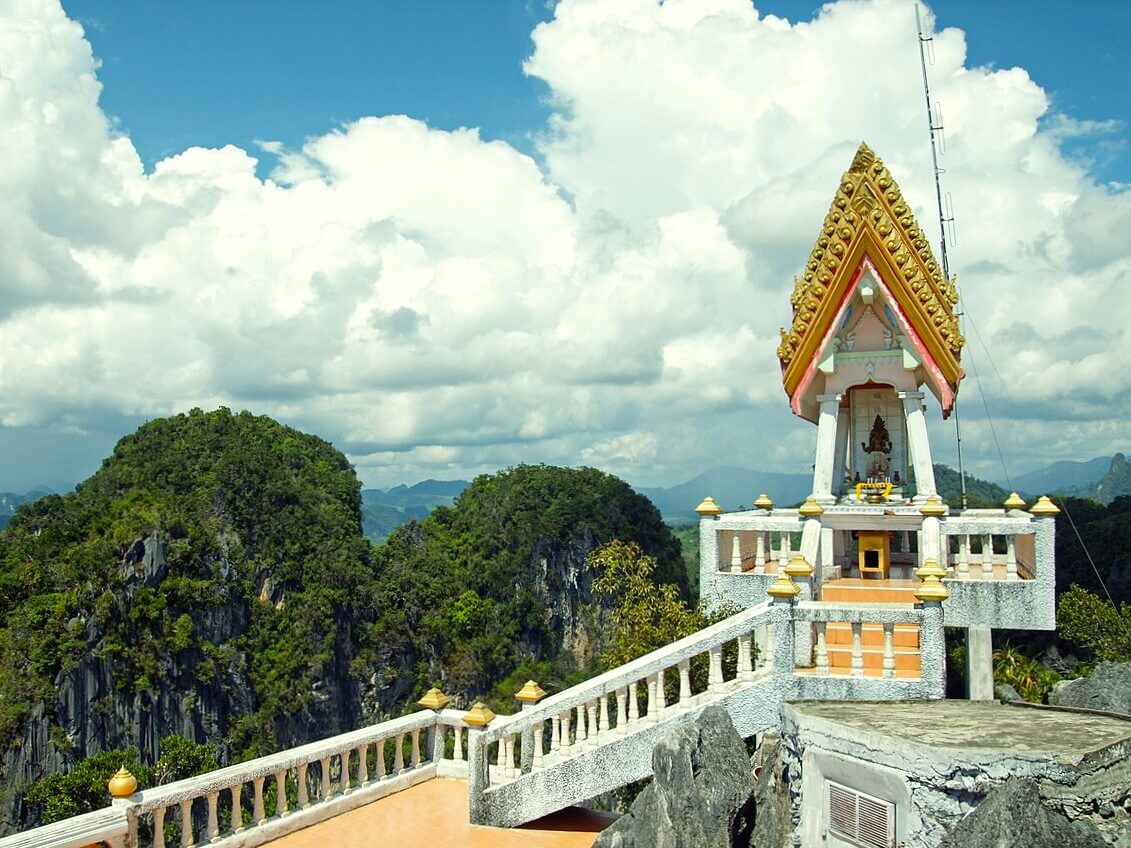
Tiger Cave
5Tiger Cave Temple is a Buddhist monastery complex near Krabi, Thailand, featuring a challenging 1,260-step ascent to a hilltop summit crowned with a Golden Buddha statue and panoramic limestone vistas.
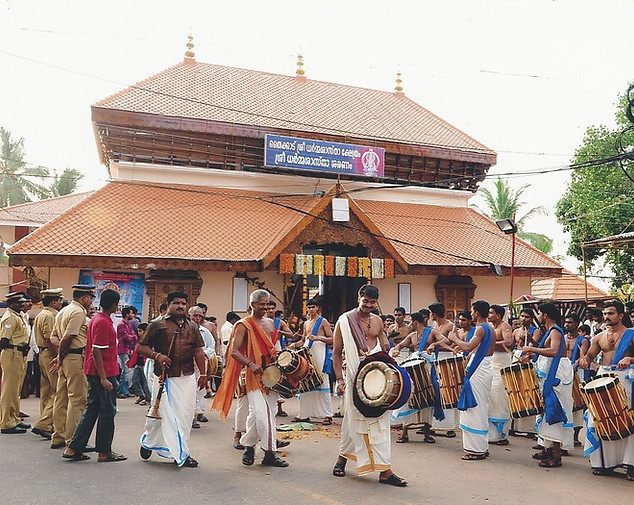
Sastha (Ayyappan) Temple
Sree Dharma Sastha Temple in Thycaud, Thiruvananthapuram, is a centuries-old shrine where the deity manifests as Dhanwanthari holding the sacred Neelathamara flower, operated by the NSS Thiruvananthapuram Taluk Karayoga Union.
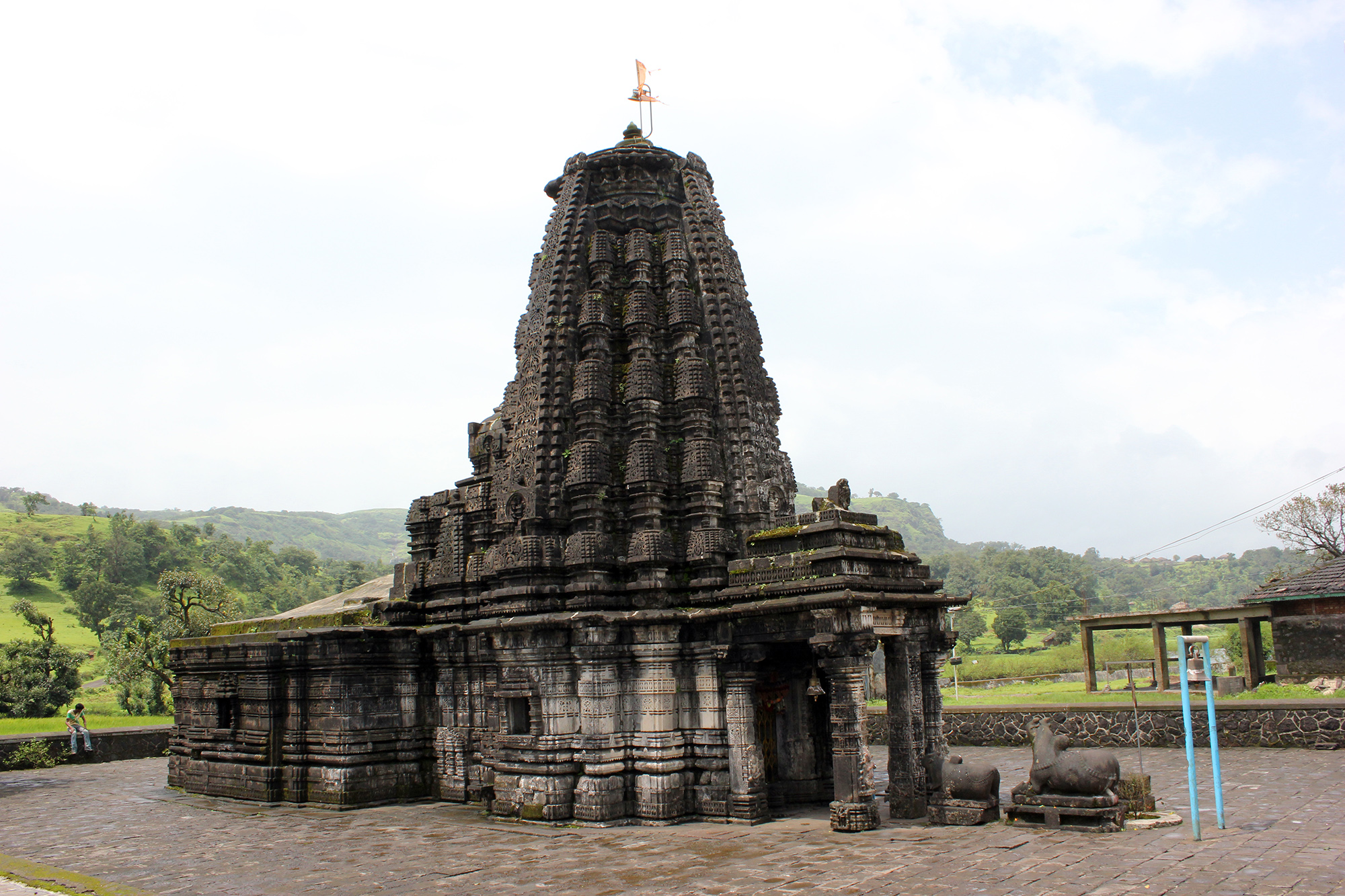
Gajanan Maharaj Temple, Kanhor
A small shrine dedicated to Sant Gajanan Maharaj located in Kanhor, constructed by devotees as part of the broader network of temples honoring this revered Maharashtra saint.