Palani Murugan
About Palani Murugan
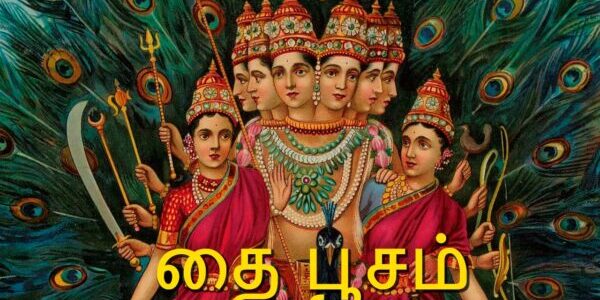
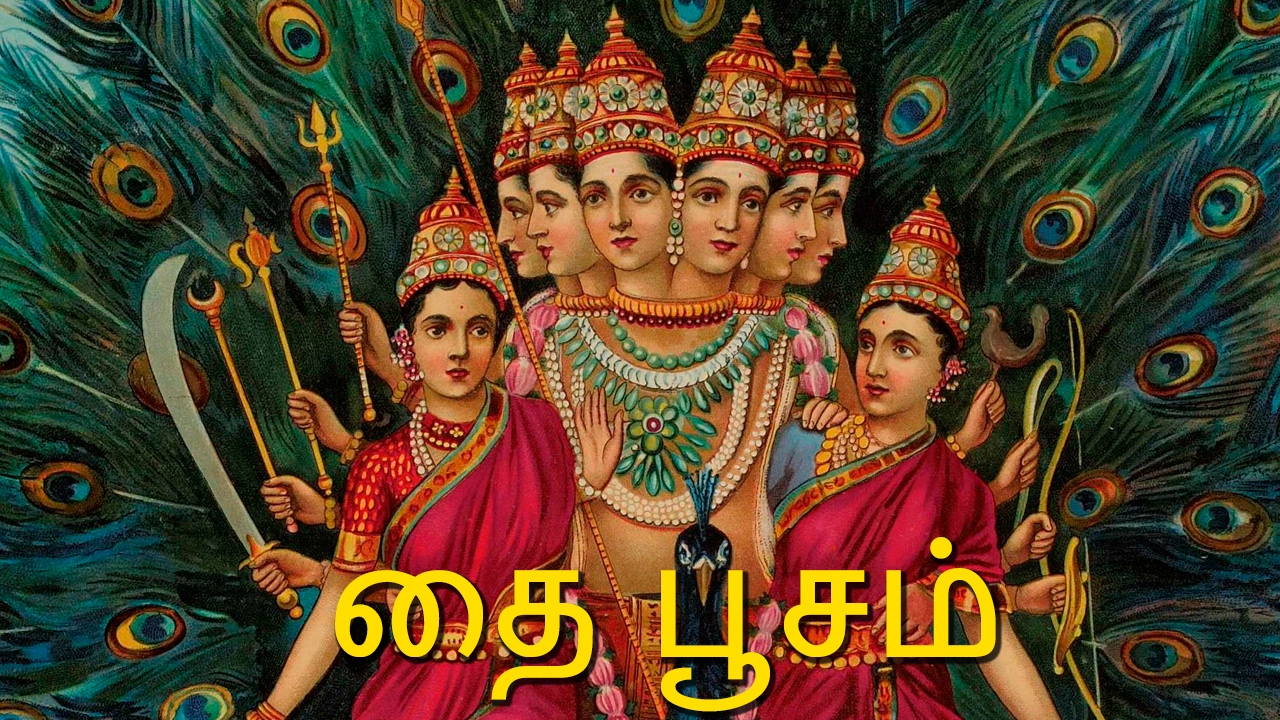
Thaipusam, celebrated during the full moon of the Tamil month Thai (January–February), stands as the most significant pilgrimage period at Palani. According to temple tradition, this festival commemorates the day Goddess Parvati presented Murugan with the Vel, a powerful weapon to vanquish evil and uphold dharma. The festival draws large numbers of devotees who undertake various worship practices to seek the deity's grace and resolve their difficulties.
Panguni Uthiram, occurring in the Tamil month of Panguni (March–April), represents another major festival observance. Kandha Shashti, the sixth day in the Tamil month of Aippasi (October–November), also brings increased temple activity. On all three festival occasions, extended darshan hours and heightened ritual activity create an atmosphere of intensive worship. Pilgrims planning visits during these periods should anticipate larger crowds and prepare accordingly.
Visiting Practicalities
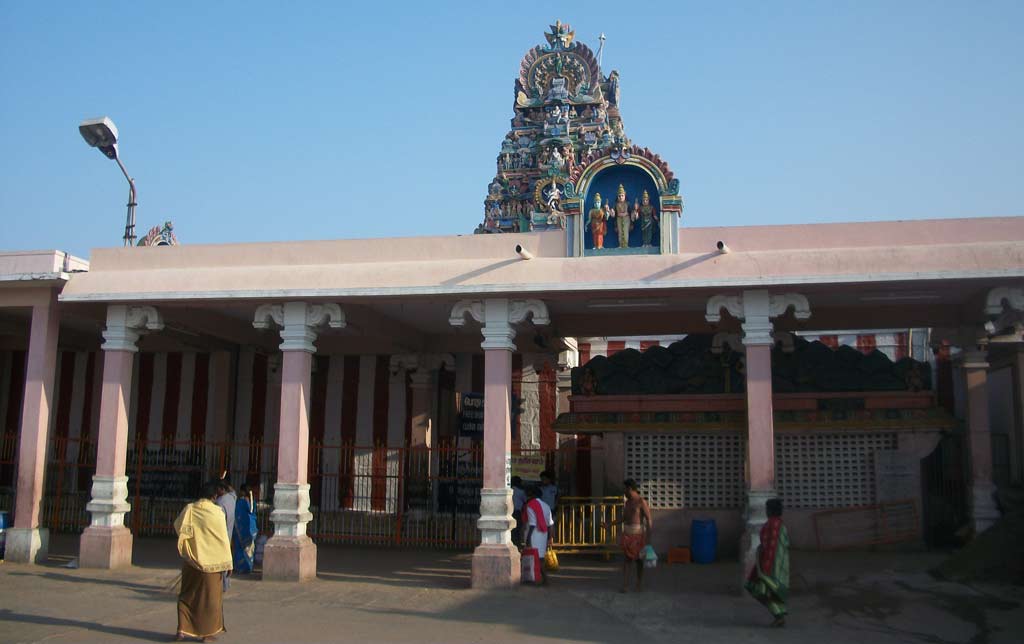
The temple is located at Palani Hills, Dindigul District, Tamil Nadu 624601, at coordinates 10.4486, 77.5202. For those seeking shorter queues on regular days, early morning hours between 4:00 and 6:00 AM typically offer easier access to darshan.
Visitors should dress modestly, as is customary in Hindu temples. Men typically wear traditional attire or simple clothing; women should wear sarees or salwar kameez, or other modest dress that covers shoulders and knees. The temple provides facilities including accommodation options and services such as tonsuring (available as a seva). Prasadam is distributed to devotees. Specific details about current fees, online booking systems, or other facilities should be confirmed directly with the temple administration before your visit, as these may change seasonally or due to administrative decisions.
The Pilgrimage Experience
Many devotees undertake the pilgrimage to Palani on foot, a practice rooted in the belief that the journey itself constitutes an act of worship and a means of receiving the deity's blessing. This tradition reflects broader customs within Murugan worship, where the physical effort of pilgrimage is understood as integral to spiritual practice rather than merely a means of reaching the temple.
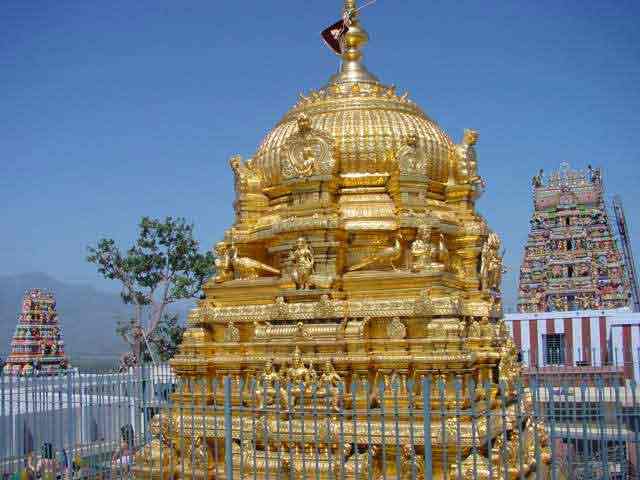
The temple's setting on a hill contributes to the pilgrimage character of a visit. The ascent itself becomes part of the devotional experience, aligning with the temple's presentation of Murugan as an ascetic deity dwelling in a sacred landscape removed from ordinary settlement.