Dakshineswar Kali
About Dakshineswar Kali
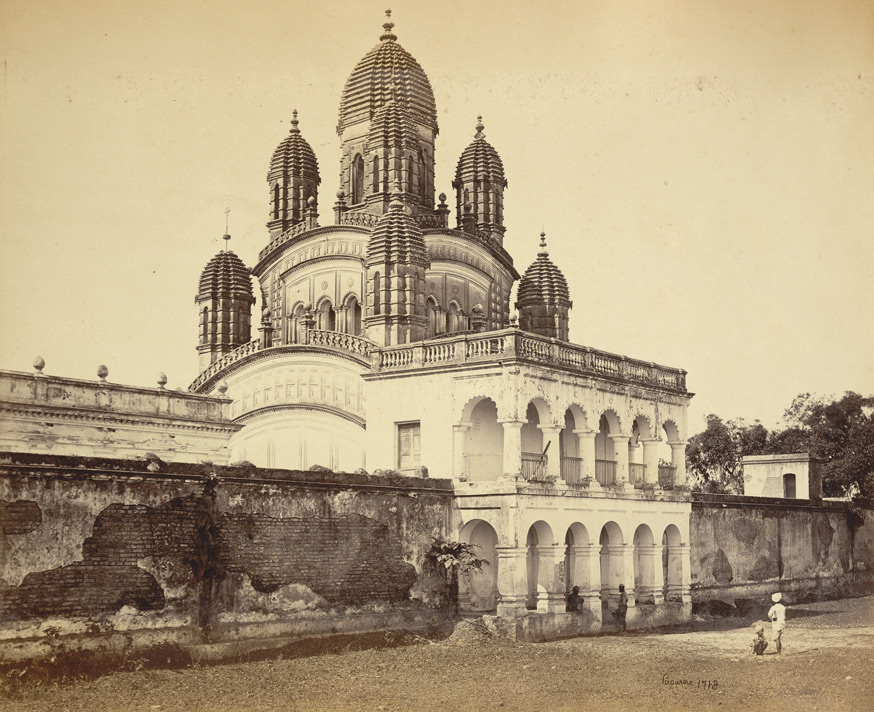
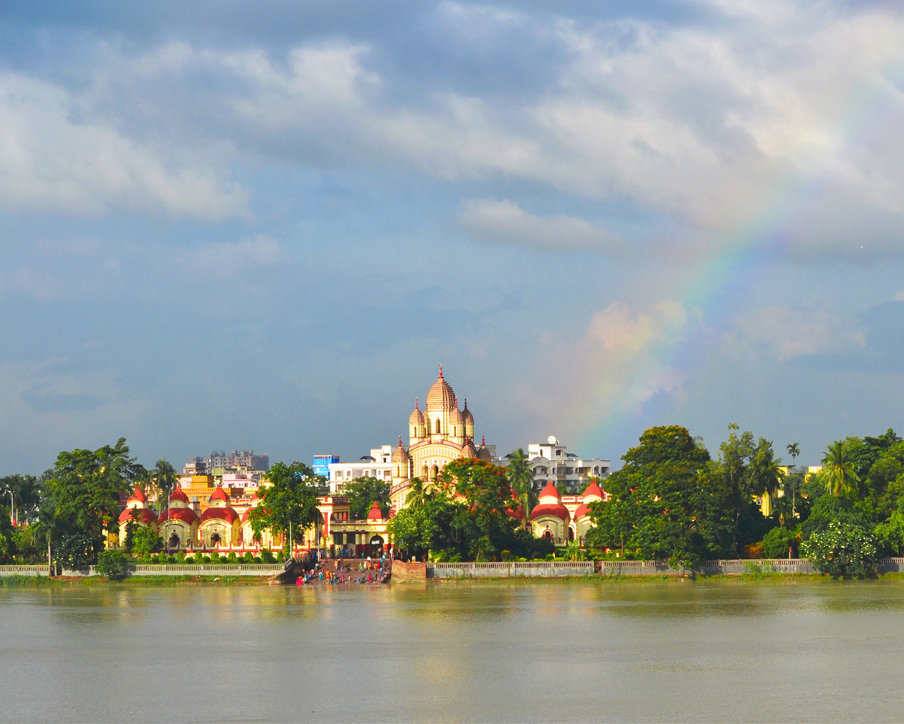
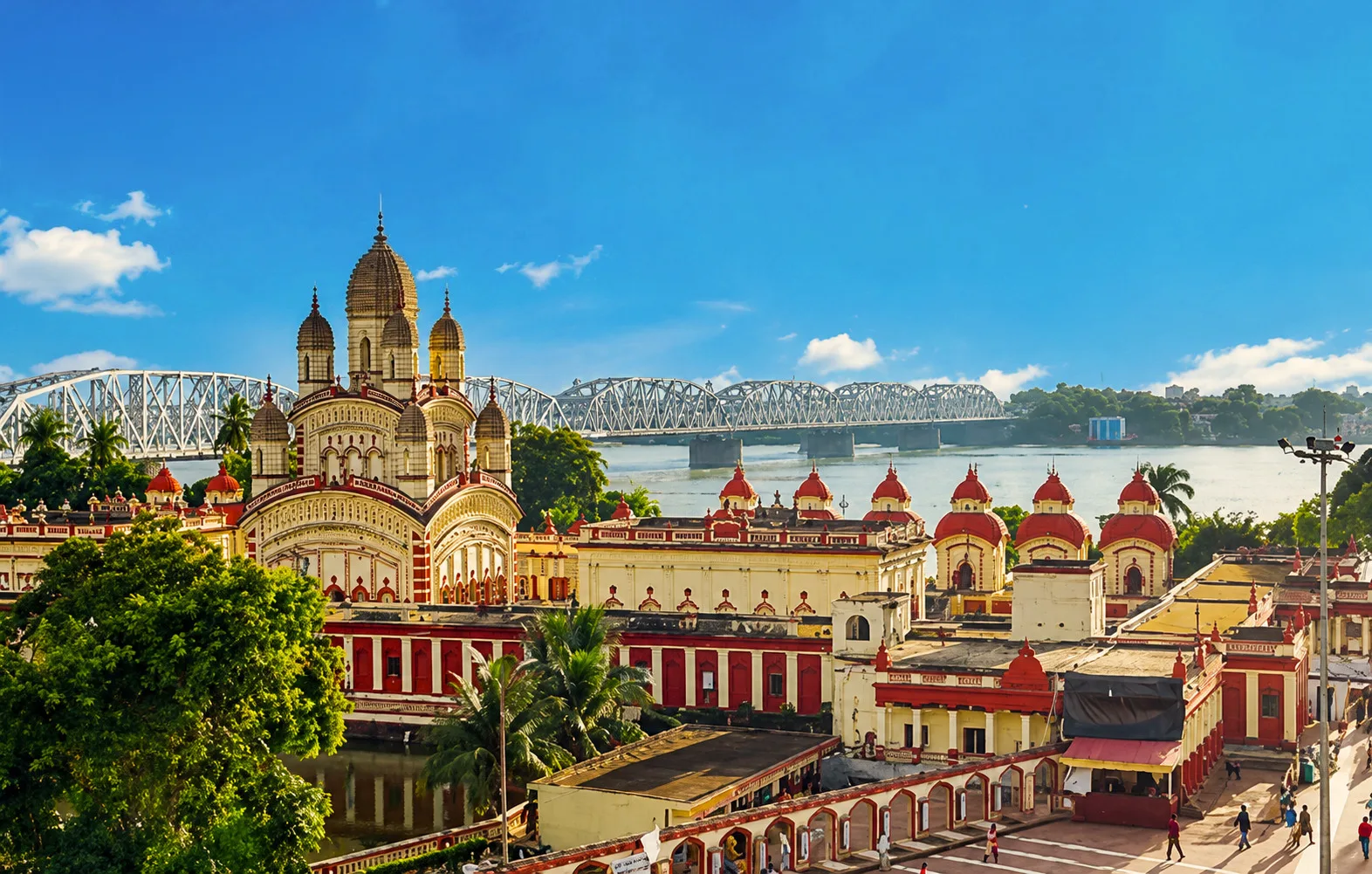
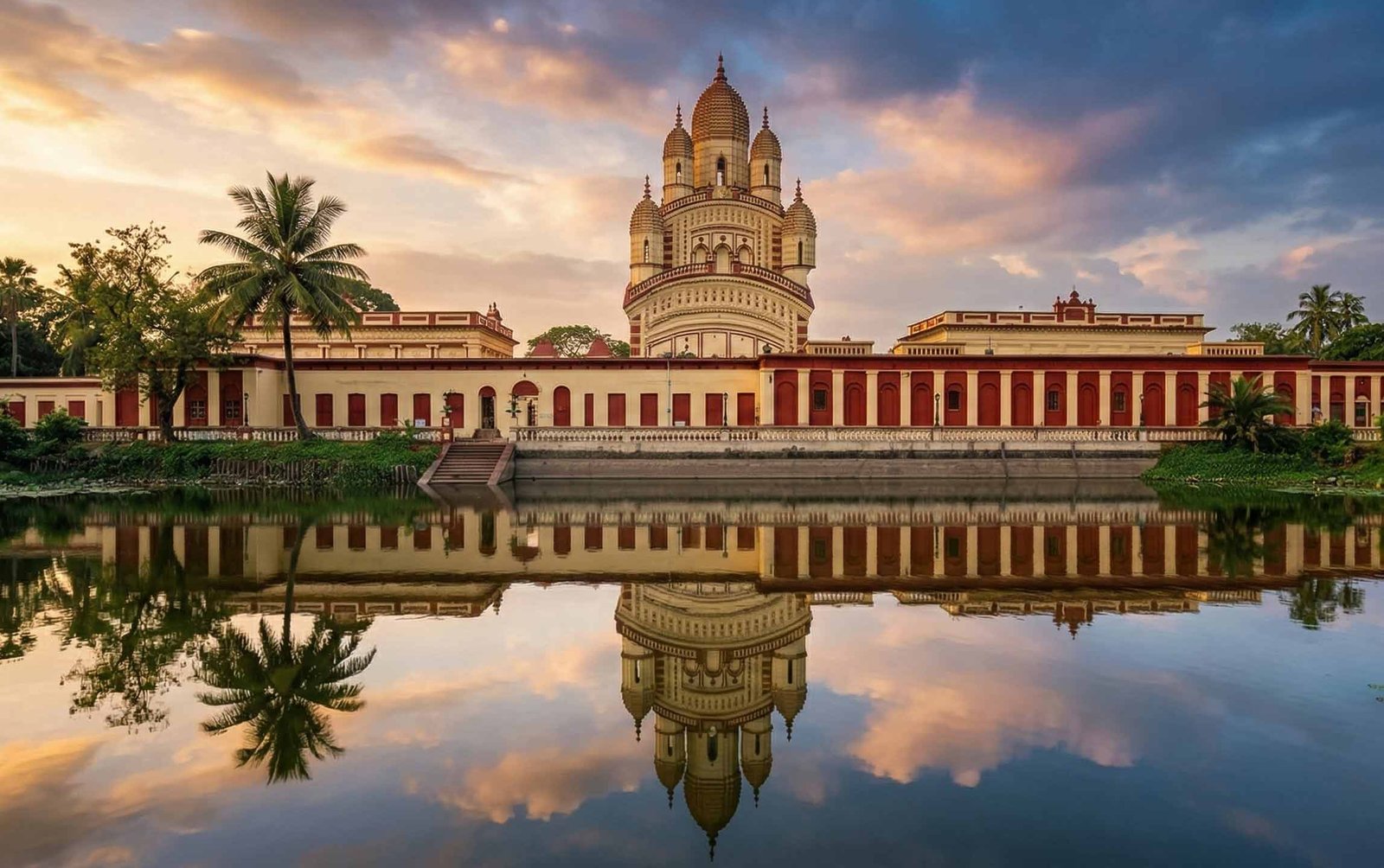
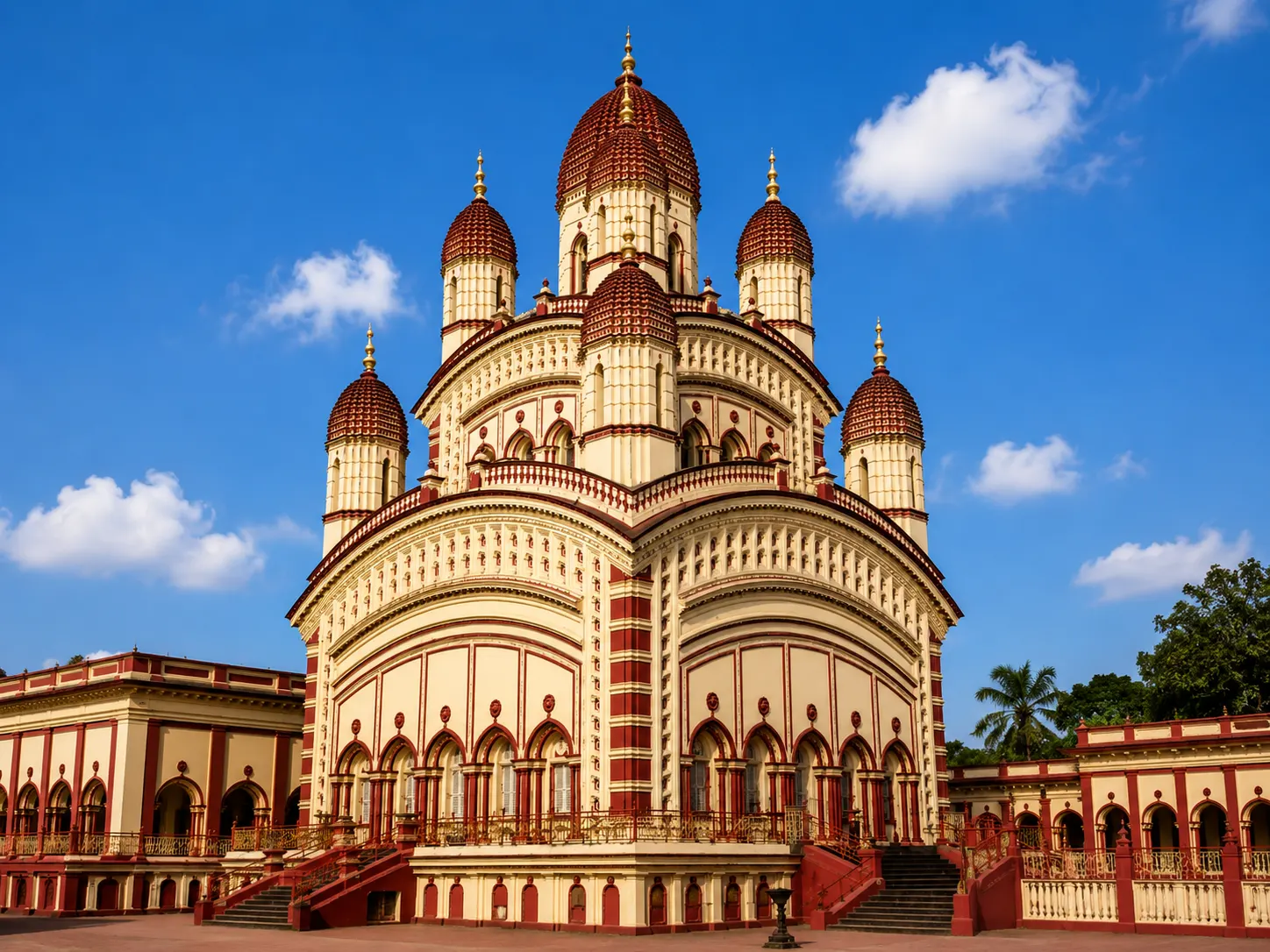
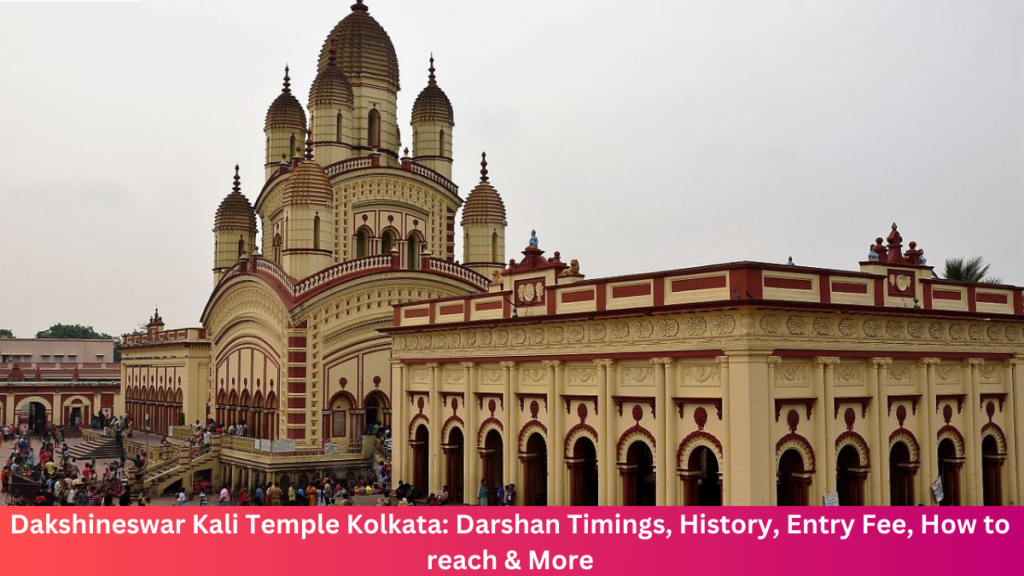
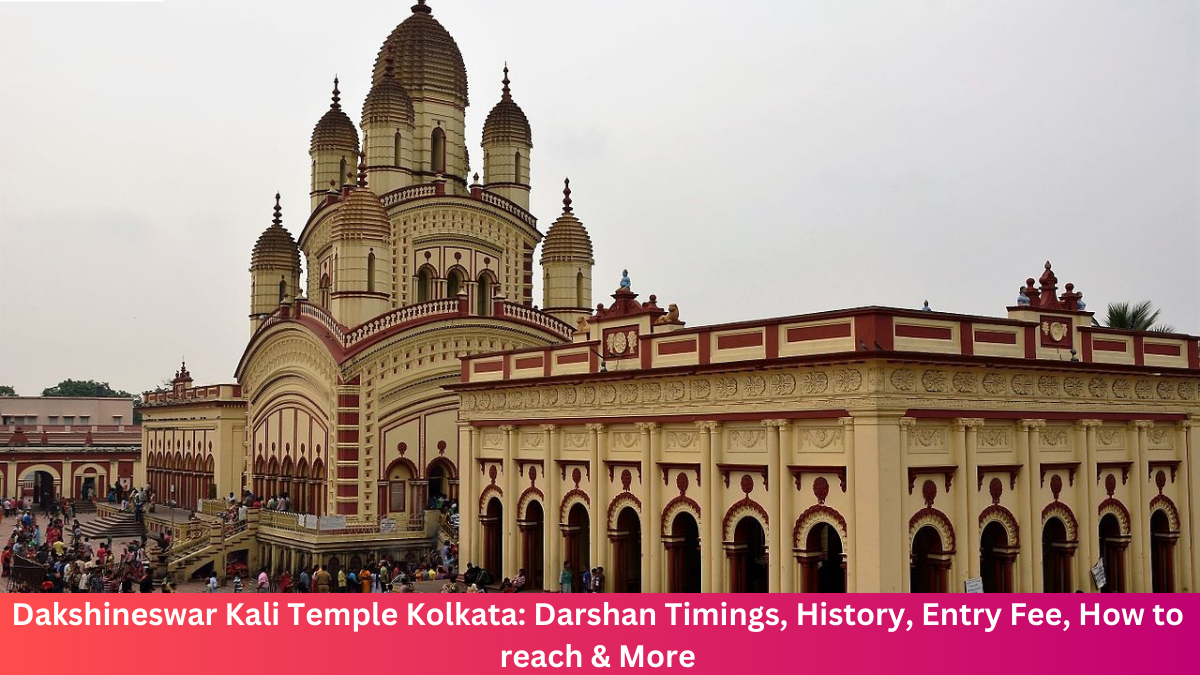
The temple exemplifies the navaratna architectural style, characterized by its distinctive nine-spired design that rises prominently above the Hooghly River landscape. This architectural approach, traditional to Bengal, creates a visually striking structure that serves both spiritual and aesthetic purposes. The temple's position on the riverbank adds to its significance, as the Hooghly holds sacred importance in the region's religious geography.
The Ramakrishna Legacy
The temple's spiritual importance deepened through its association with Sri Ramakrishna, a nineteenth-century mystic and spiritual teacher who spent much of his life here. His wife, Sarada Devi, was also closely connected to the temple as a devotee and spiritual guide. Their presence and teachings enriched the temple's role as a centre of spiritual practice and philosophical inquiry, establishing it as a place where devotion and contemplative practice have long been cultivated.
Daily Darshan and Visiting Hours
The temple remains open year-round from 5:30 AM to 11:00 PM, allowing devotees flexibility in timing their visits. Whether you come at dawn for early prayers or in the evening when the temple takes on a different atmosphere, the gates remain accessible throughout these hours. Plan to spend one to two hours at the temple to experience its spiritual environment without rushing. There is no entry fee, making the temple accessible to all visitors regardless of means.
Visitors should wear decent, modest clothing as a mark of respect. This is standard practice at Hindu temples and reflects the sacred nature of the space. The temple does not charge for darshan, though many devotees make voluntary offerings as an expression of their devotion.
Festivals and Sacred Observances
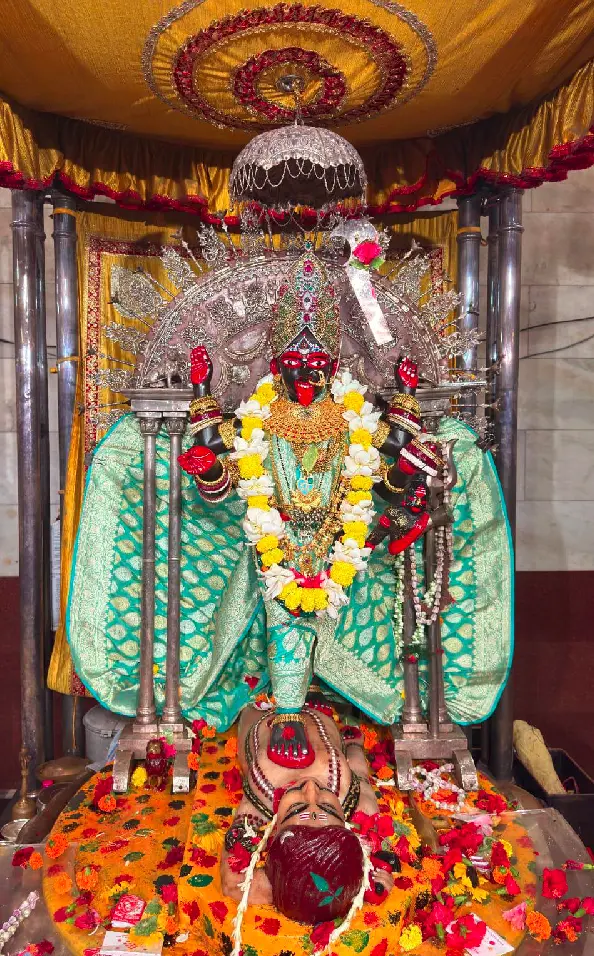
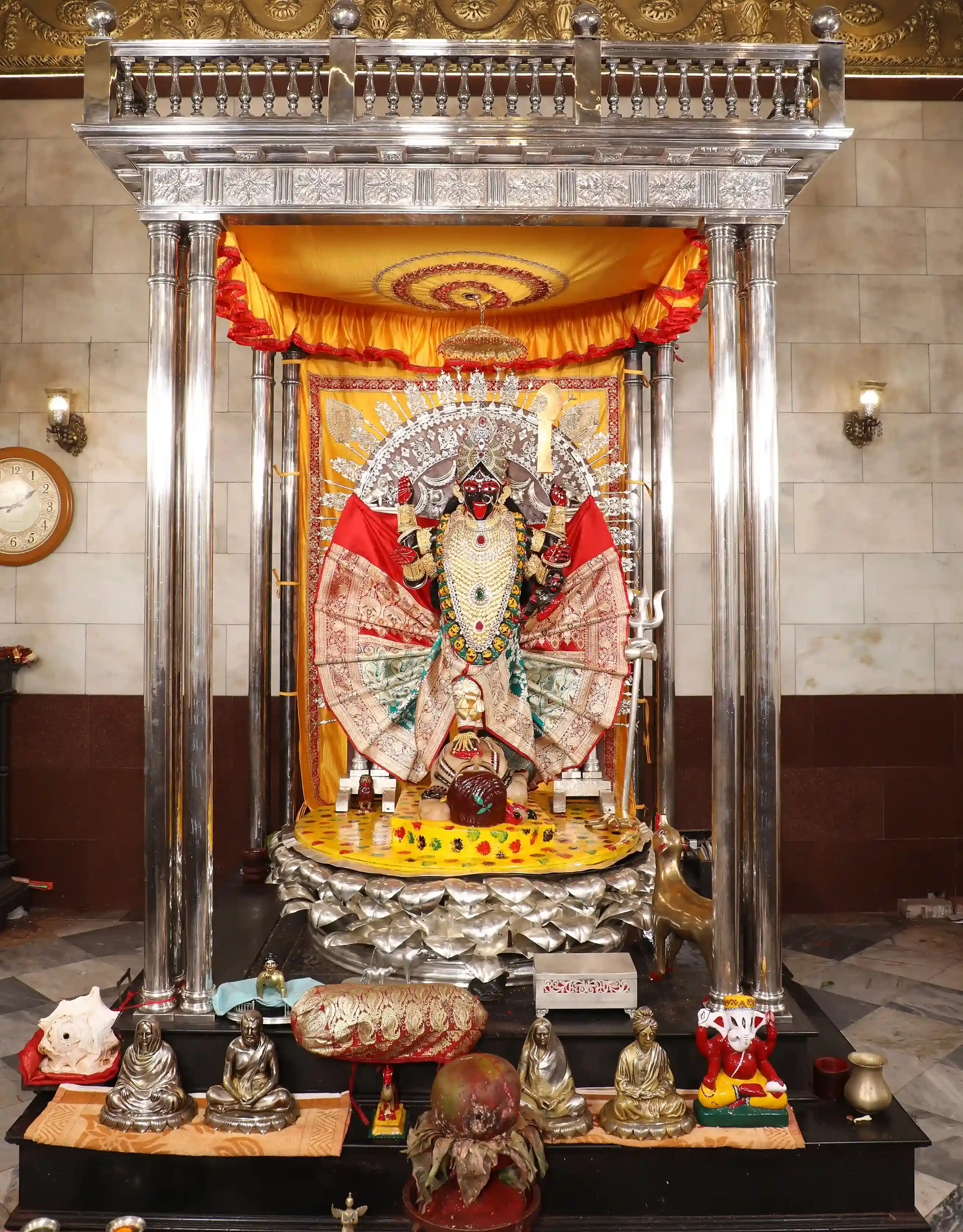
The temple observes several significant festivals throughout the year. Kali Puja during Diwali and the Navaratri festival season draws large numbers of devotees, as these periods are traditionally associated with the worship of the Goddess in her various forms. The Kalpataru Festival is also celebrated with enthusiasm. The winter months from October through March are considered the best time to visit, offering more comfortable weather for pilgrimage and allowing fuller participation in the festival calendar.
Reaching the Temple
Dakshineswar is located in the eastern part of Kolkata, accessible by multiple modes of transport. Those arriving by train can reach the area via local rail services. Road access is available for those travelling by car or taxi, and bus services connect the temple to various parts of the city. The coordinates 22.6549, 88.3576 can guide those using GPS navigation. The temple's riverside location makes it a recognizable landmark once you approach the Dakshineswar area.
How to reach

You may also visit
Vaishno Devi
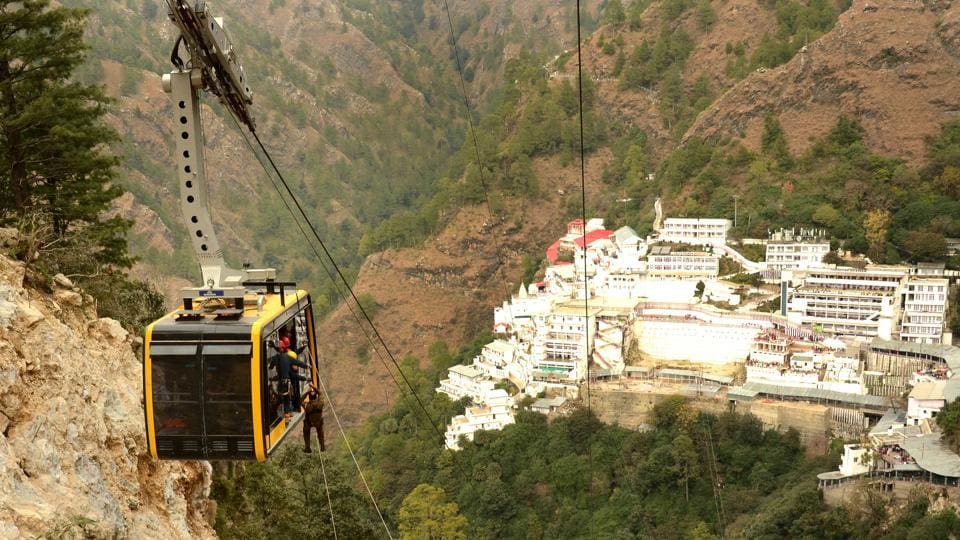
5Vaishno Devi shrine, nestled in the Trikuta hills at 5,200 feet altitude near Katra, is one of India's most visited pilgrimage sites where devotees undertake a sacred journey culminating in the holy cave where the goddess merged her human form with the divine energies.
Meenakshi Amman
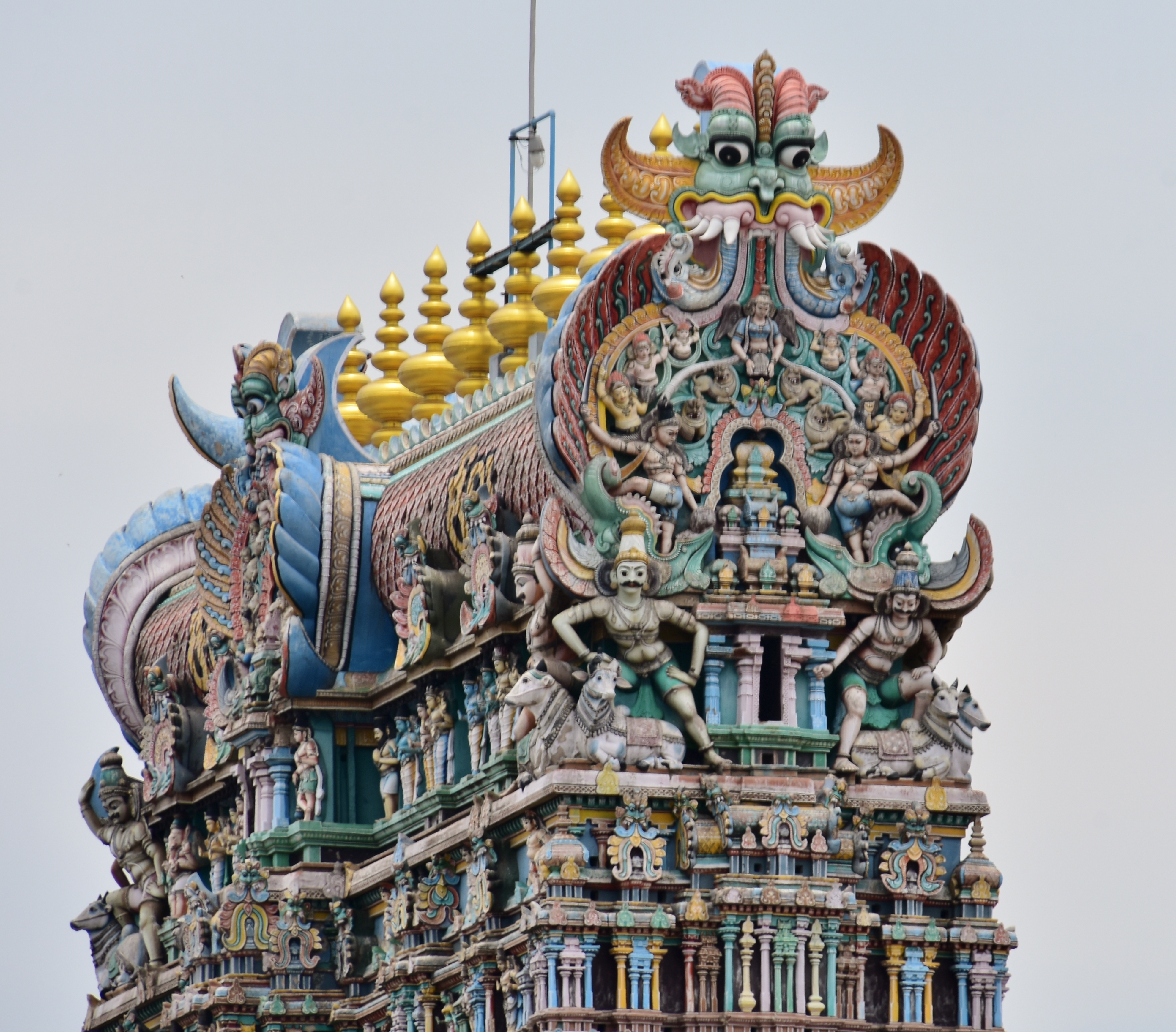
The Meenakshi Amman Temple in Madurai is a historic Hindu shrine dedicated to Meenakshi, a form of Parvati, and her consort Sundareswarar (Shiva), located on the southern bank of the Vaigai River.