Vaishno Devi
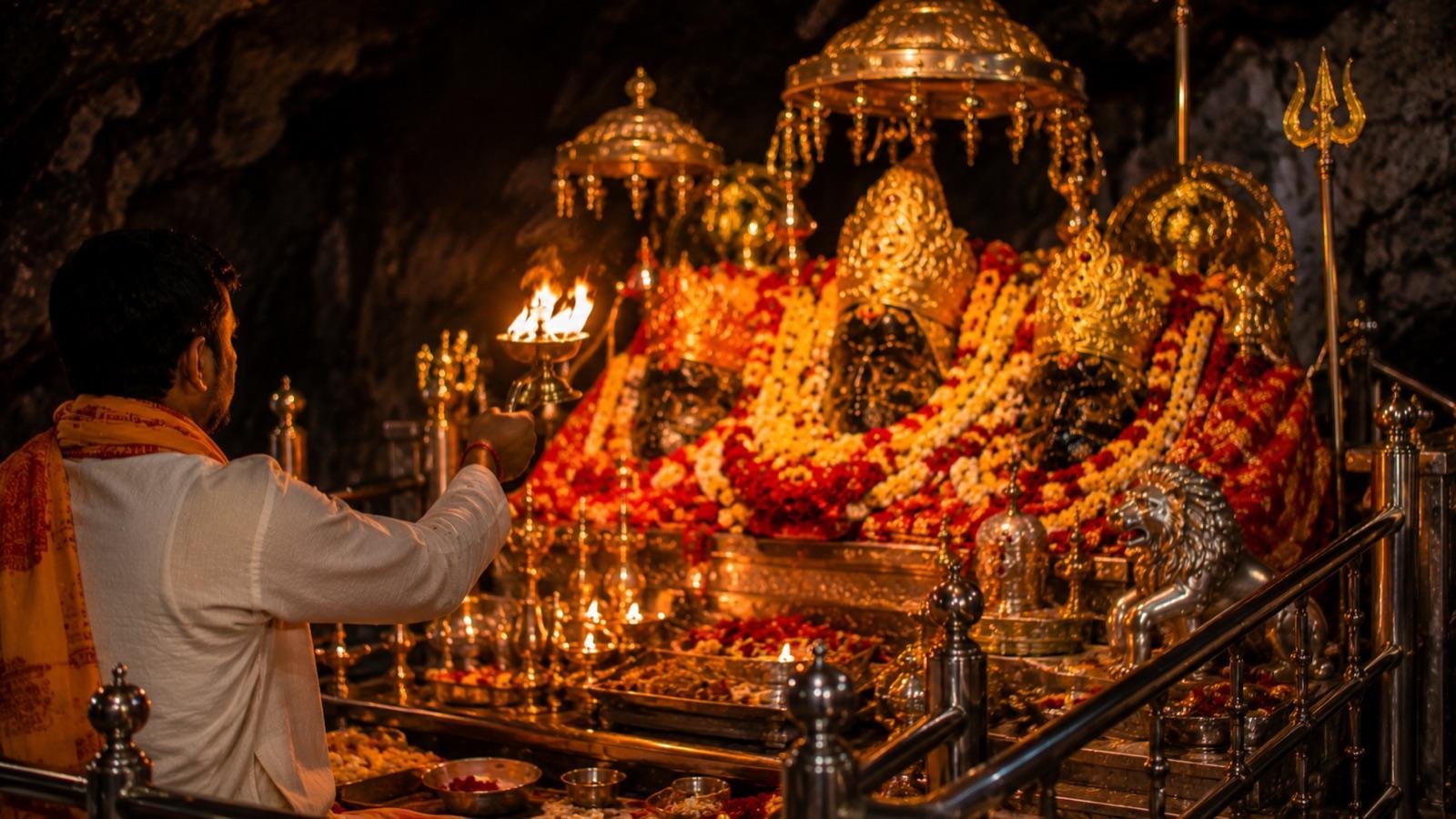
About Vaishno Devi
October through November and March through May are considered the most favorable seasons for visiting. During these months, weather conditions on the hills are generally stable, making the pilgrimage more manageable. The Navratri season draws peak devotional activity to the shrine, with many devotees undertaking the yatra during this nine-day festival period.
Weather varies significantly with season and altitude. Visitors should check current climate and clothing recommendations before traveling, as conditions can change rapidly in the hill terrain.
Facilities and Practical Information
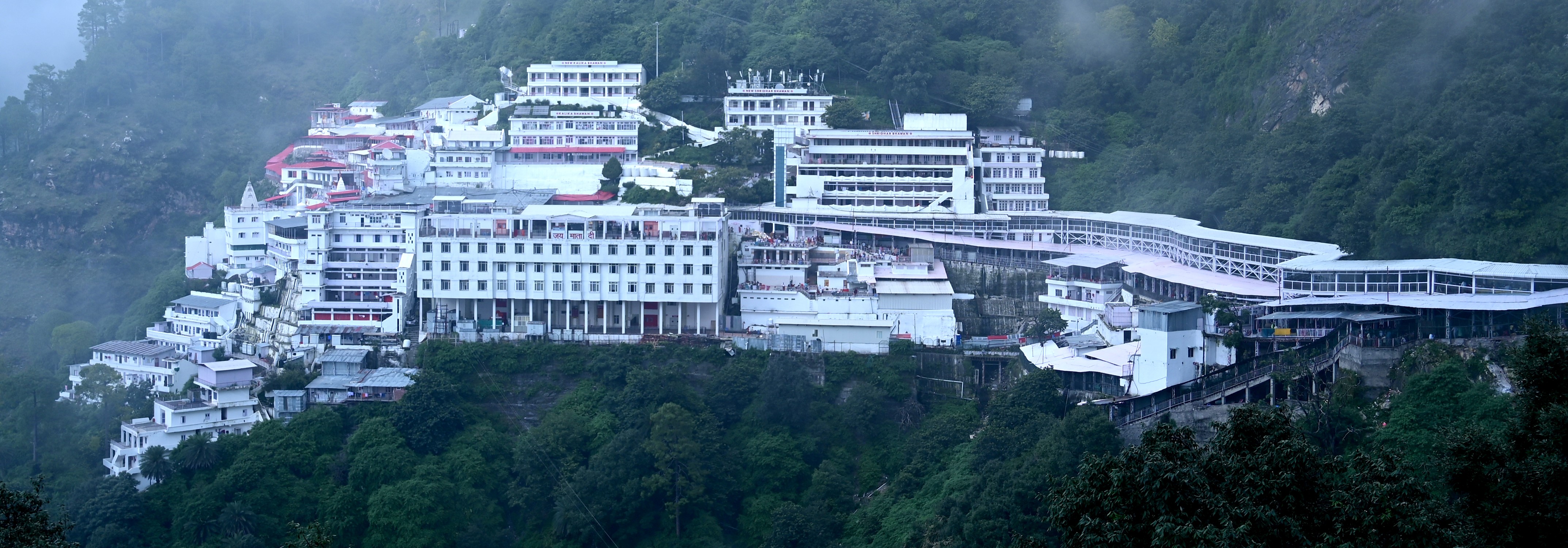
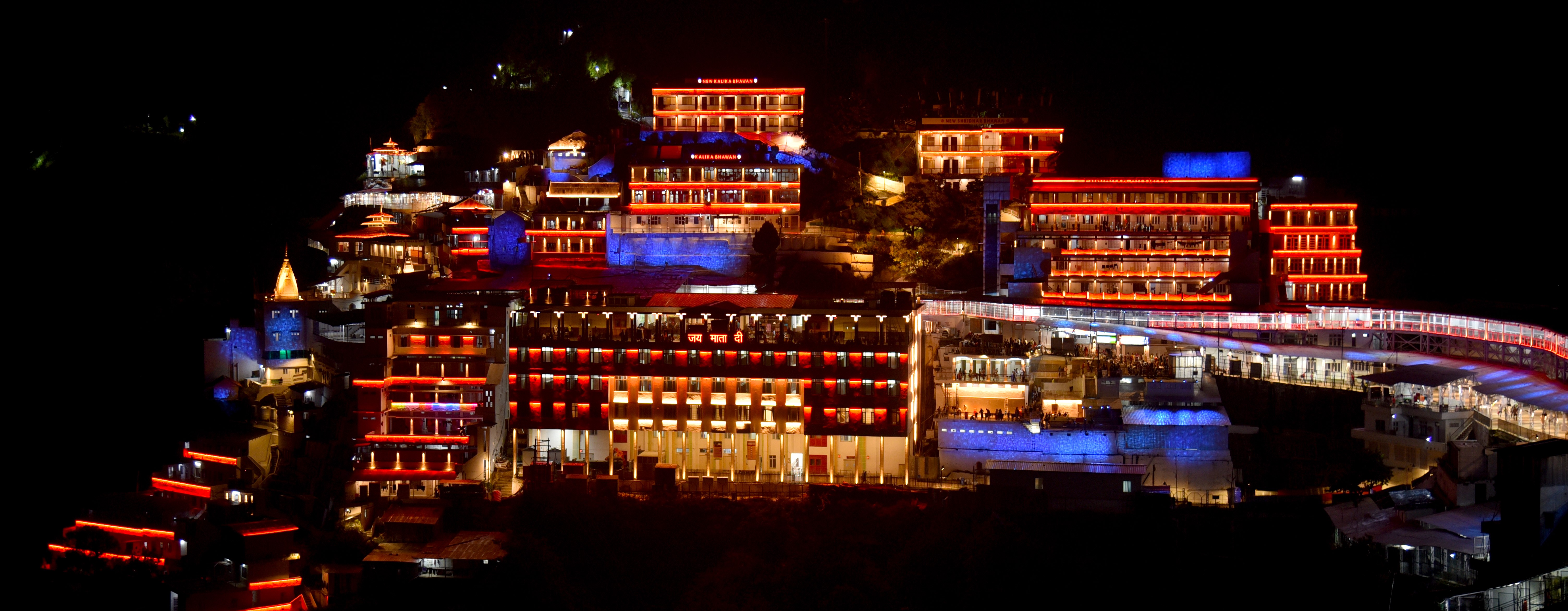
The shrine board provides accommodation options including free shelters and rented rooms for pilgrims. Bhojanalayas (dining facilities) are available along the pilgrimage route. Medical facilities are maintained on-site, and blanket stores serve those undertaking the yatra. Cloak rooms, souvenir shops, and banking services including ATMs are available to assist visitors.
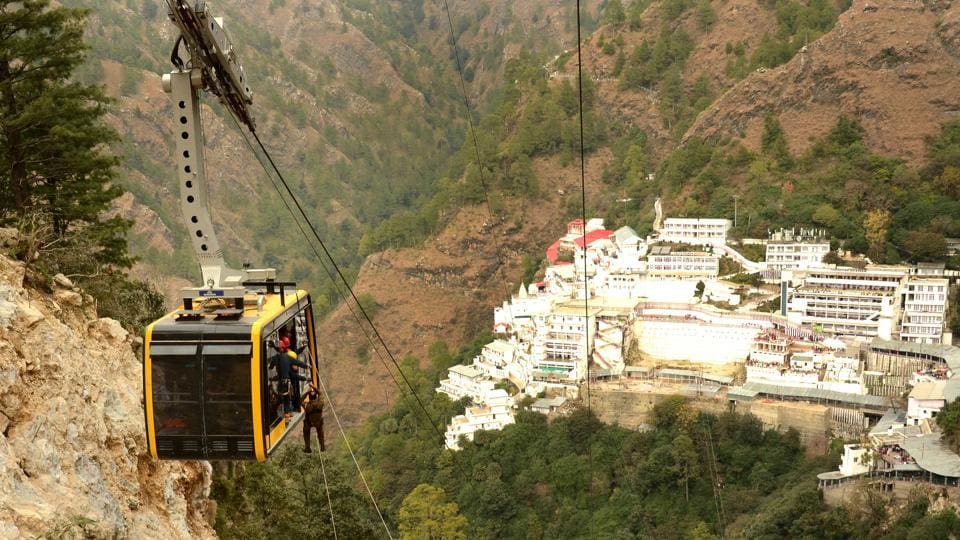
Palkis (palanquins), ponies, and pithoos (porter services) can be hired for those unable to walk the full distance. Helicopter operations run during daylight hours for those seeking an alternative to the hill trek. A ropeway serves the Bhairon area, accessible during daylight hours.
Yatra registration is available, and room reservations can be made in advance through the shrine board. A helpline (1800-180-7198) provides assistance for pilgrims planning their visit.
Reaching Katra
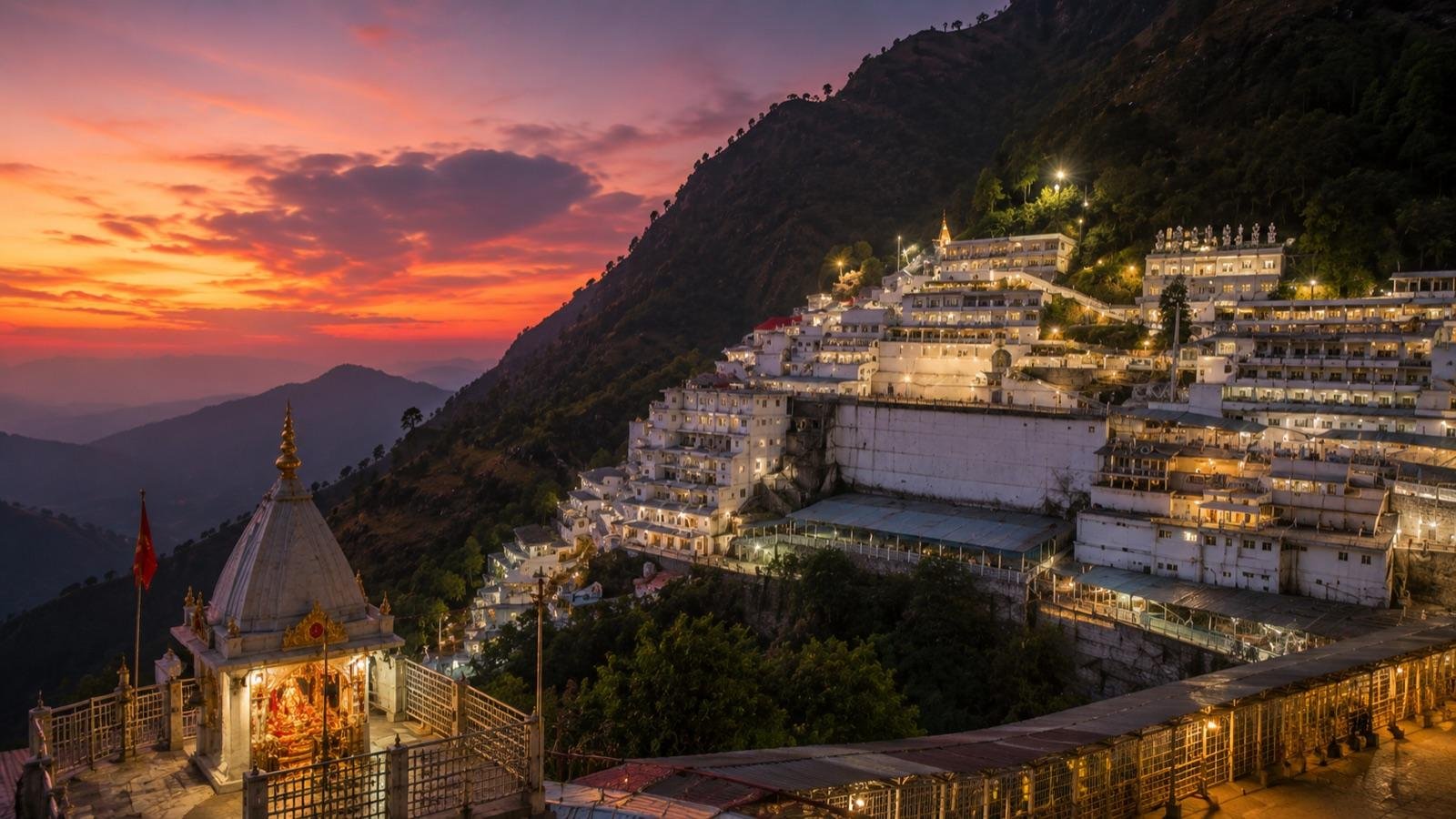
Katra serves as the base point for the pilgrimage. The town is accessible by road, rail, and air from major Indian cities. Visitors should plan their route based on their starting point and preferred mode of transport. Once in Katra, the pilgrimage to the cave shrine begins from the town.
The Bhairon Temple
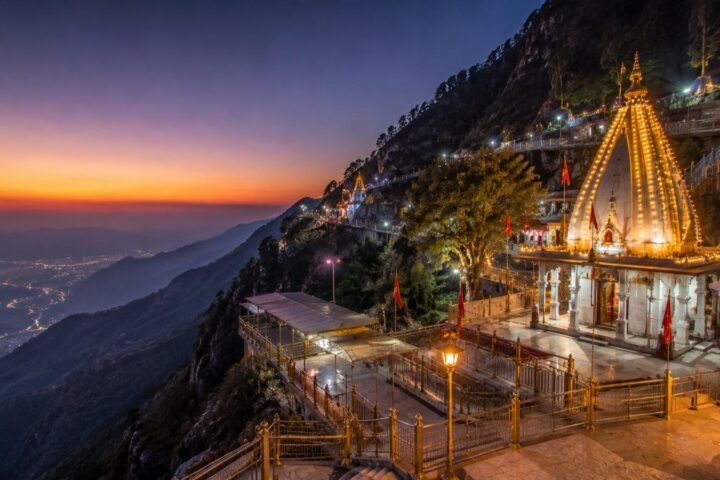
A separate shrine dedicated to Bhairon Baba is associated with the Vaishno Devi pilgrimage. This temple is accessible via ropeway during daylight hours. The Bhairon area represents an additional sacred site within the larger pilgrimage complex.
Conduct and Preparation
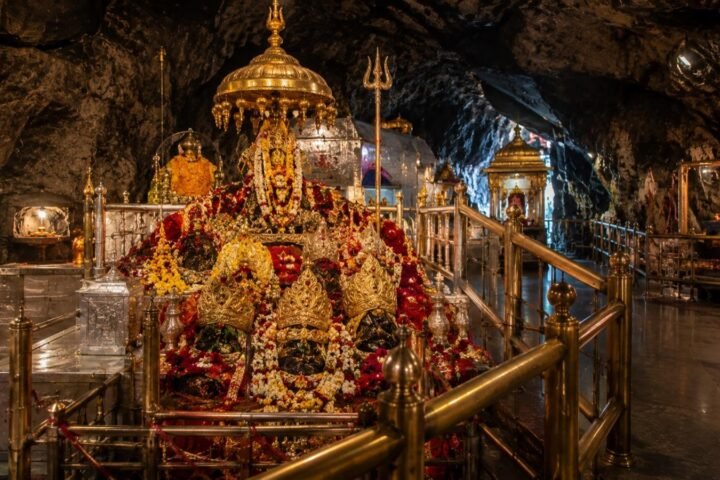
The shrine board maintains guidelines for visitor conduct and dress code. Specific items are prohibited, and devotees are expected to follow established protocols during darshan. These rules exist to maintain the sanctity of the sacred space and ensure an orderly experience for all pilgrims.
Visitors should carry appropriate clothing for hill weather, which can be cool even during warmer months. Comfortable walking shoes are essential if undertaking the trek on foot. Those with mobility concerns should arrange palkis or helicopter transport in advance.
How to reach
You may also visit
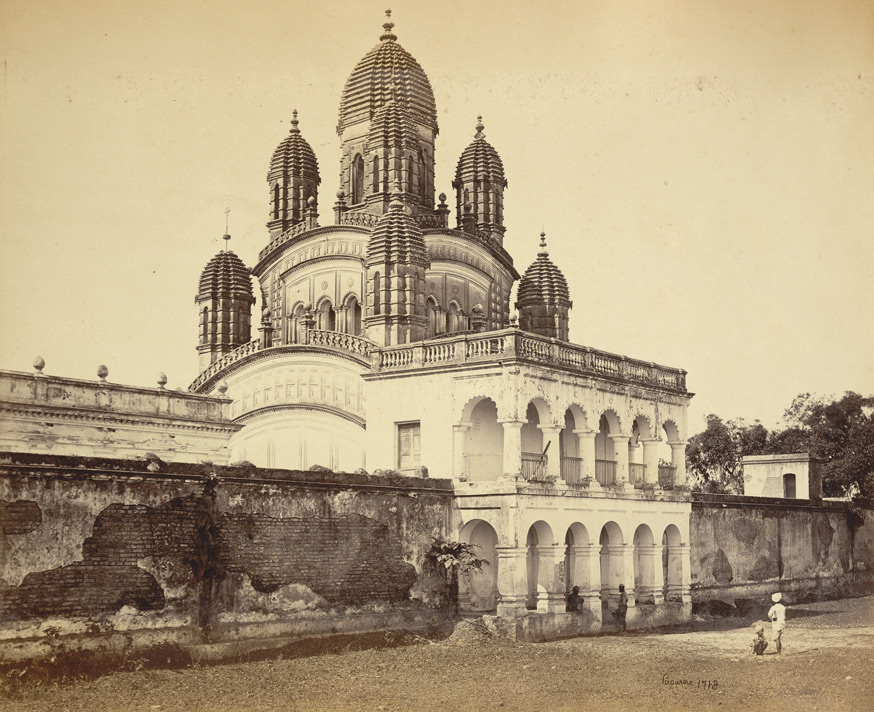
Dakshineswar Kali
Dakshineswar Kali Temple is a stunning navaratna-style shrine on Kolkata's Hooghly River, built in 1855 by Rani Rashmoni and forever linked to the spiritual legacy of Sri Ramakrishna.
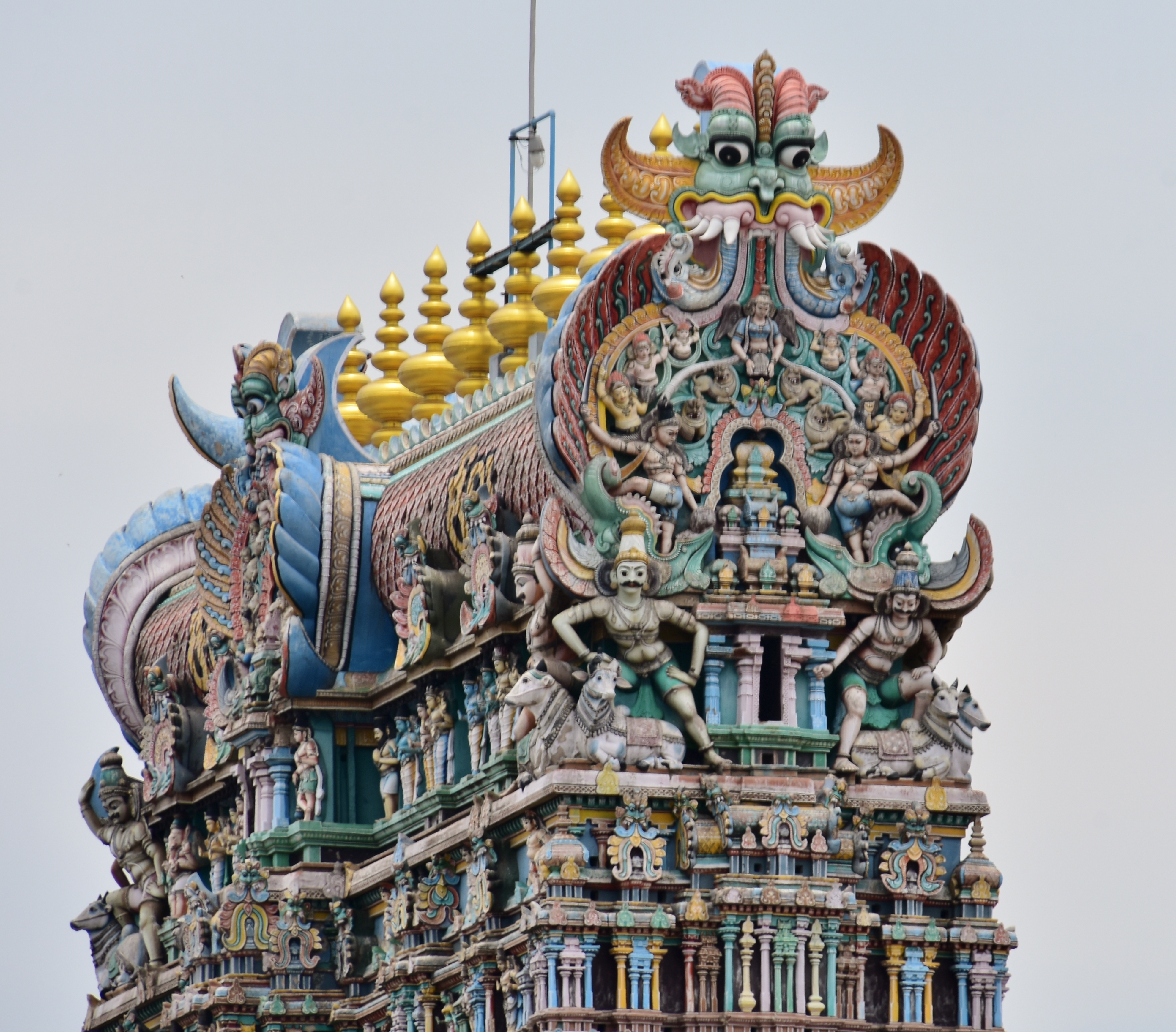
Meenakshi Amman
The Meenakshi Amman Temple in Madurai is a historic Hindu shrine dedicated to Meenakshi, a form of Parvati, and her consort Sundareswarar (Shiva), located on the southern bank of the Vaigai River.