18 temples found
Showing verified listings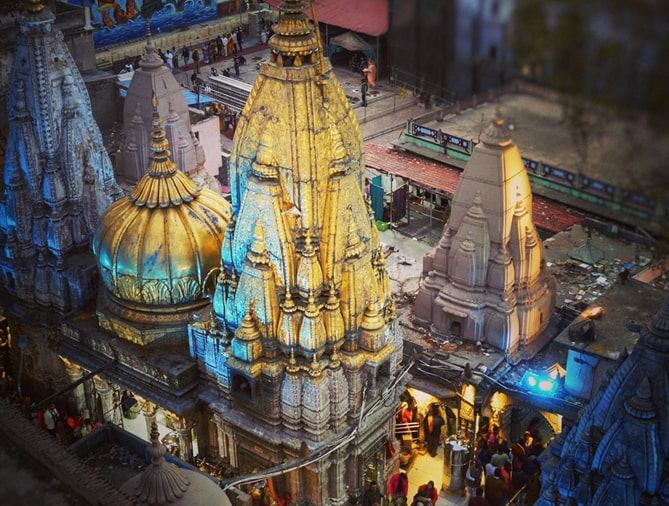
Kashi Vishwanath
4.7 Varanasi, Uttar Pradesh·काशी विश्वनाथ
Kashi Vishwanath Temple in Varanasi is one of Hinduism's most sacred shrines, dedicated to Lord Shiva as the presiding deity Vishwanath (Lord of the Universe) and designated as one of the twelve Jyotirlinga sites.
JyotirlingaShivaVaranasi
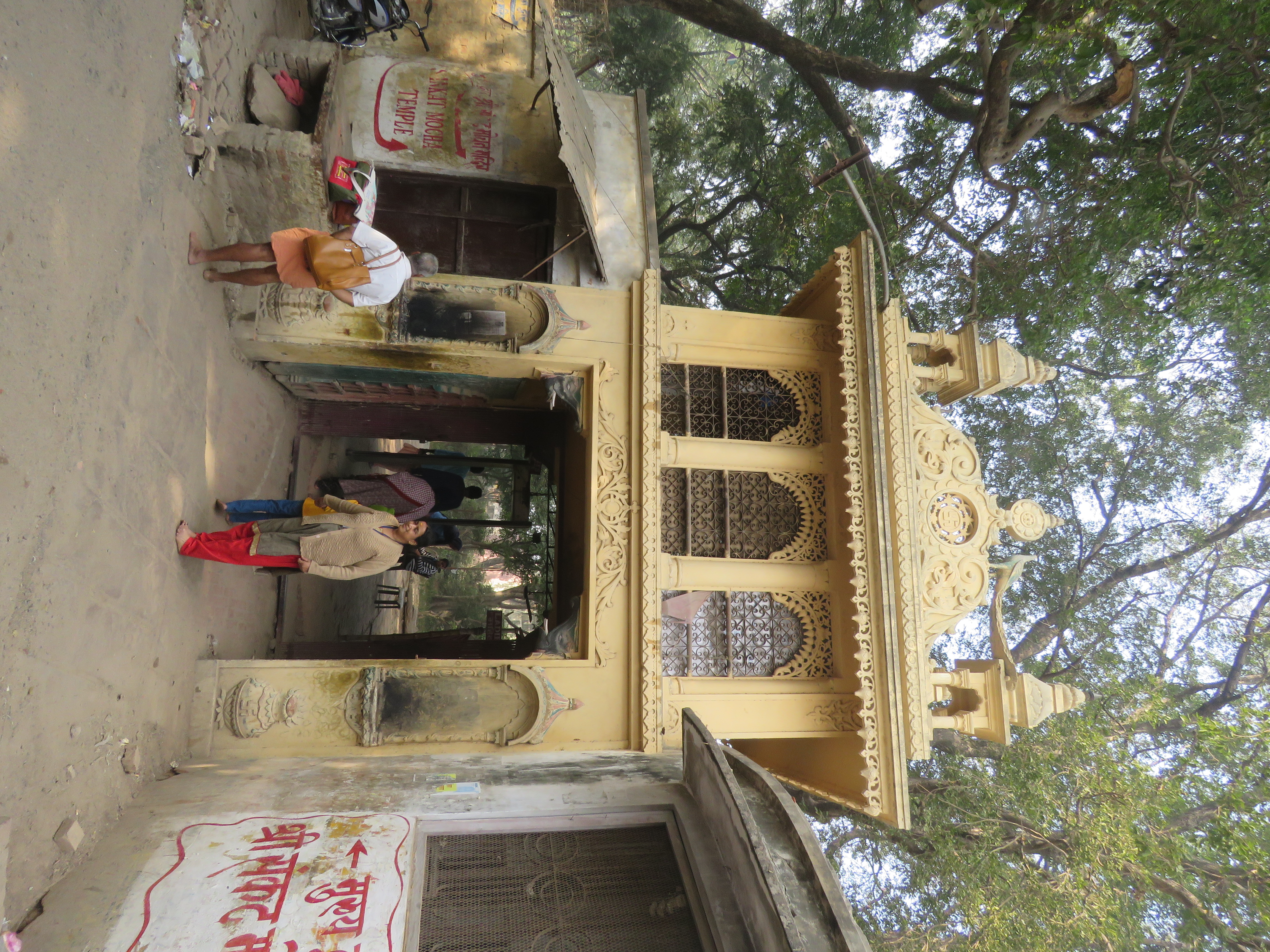
Hanuman Temple
Varanasi, ·
The Sankat Mochan Hanuman Temple in Varanasi, established by poet-saint Tulsidas in the early 16th century, honors Lord Hanuman as the reliever of troubles and stands on the banks of the Assi River.
HanumanVaranasi16th century
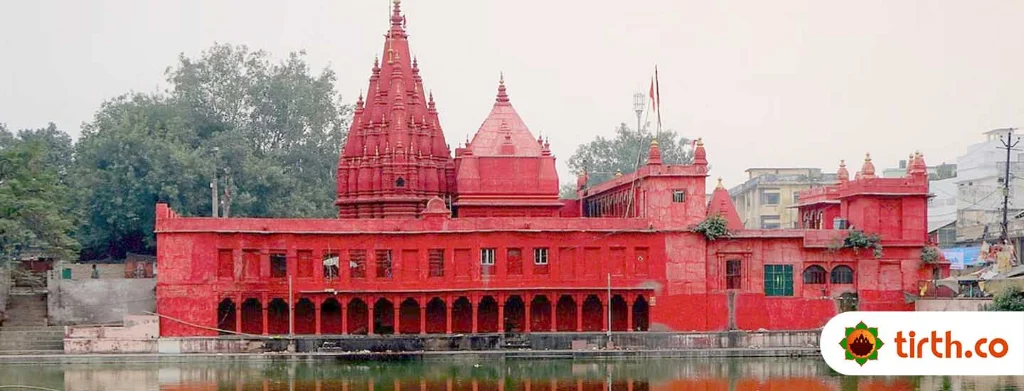
Durga Mandir
, ·
Durga Mandir in Varanasi, constructed in the 18th century by Rani Bhabani of Natore, is a revered shrine dedicated to Goddess Durga and known locally as the Monkey Temple due to its resident primate population.
Shakti Peetha18th centuryNagara architecture
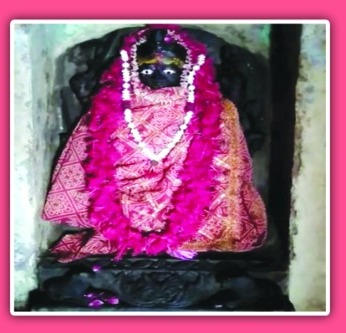
Lalita Gauri Mandir
, ·
Lalita Gauri Mandir, situated on Lalita Ghat in Varanasi, is a historic 19th-century temple dedicated to Goddess Lalita Gauri, a form of Parvati. Constructed between 1800-1804 by Rana Bahadur Shah, it holds significant religious importance in Hindu tradition.
Goddess Lalita GauriVaranasiLalita Ghat
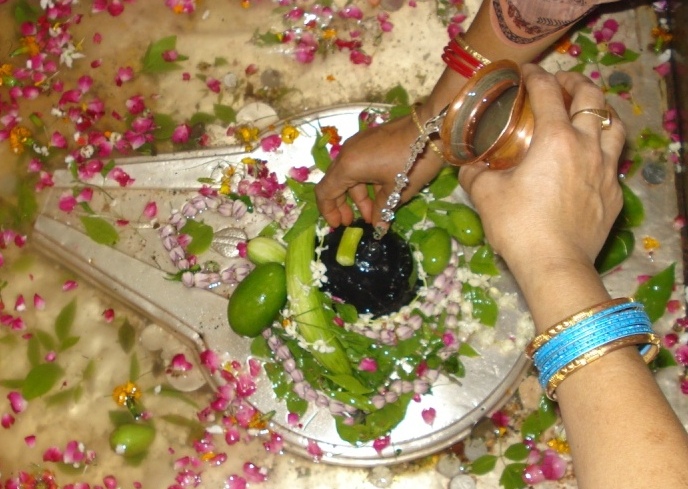
Trilochan Mahadev Temple
, ·
Trilochan Mahadev Temple is an ancient Hindu shrine dedicated to Lord Shiva, located in Varanasi, Uttar Pradesh. Revered as a Swayambhu Ling mentioned in the Kashi Khand, it holds significant spiritual importance in Hindu pilgrimage traditions.
Shiva templeVaranasi pilgrimageSwayambhu Ling
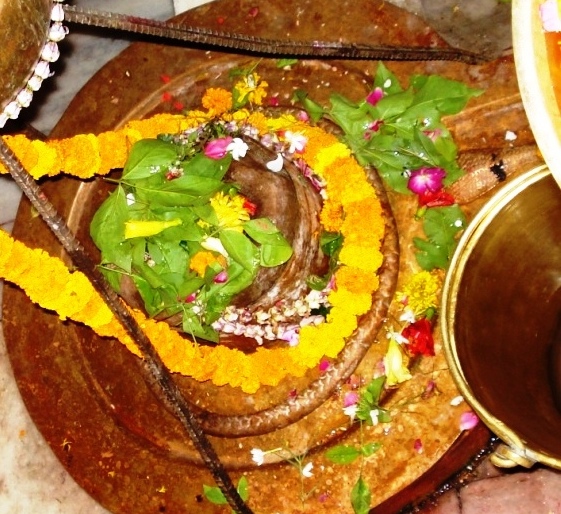
Kardmeshwar Temple
Varanasi, ·
Kardameshwar Temple is an ancient Shiva temple in Varanasi, notable as one of the few surviving temples after 17th-century Mughal destruction, featuring carved sculptures dating to the 6th-7th centuries.
ancient Shiva temple6th-7th century sculpturesMughal-era survivor

Ratneshwar Mahadev Temple
Varanasi, ·
Ratneshwar Mahadev Temple at Manikarnika Ghat in Varanasi is a distinctive shrine dedicated to Lord Shiva, famous for its nine-degree architectural slant and the unique feature of its inner sanctum remaining submerged beneath Ganges waters for most of the year.
leaning templepartially submergedManikarnika Ghat

Shitala Mata Mandir
Varanasi, ·
Shitala Mata Mandir is a sacred temple on Shitala Ghat in Varanasi dedicated to Goddess Shitala, revered for protection from diseases. The temple features a distinctive flat roof and multiple shrines within its humble structure.
Goddess Shitaladisease protectionVaranasi ghat
Pracheen Hanumaan Mandir (Hindu Temple)
Varanasi, ·
Pracheen Hanuman Mandir in Varanasi is an ancient Hindu temple dedicated to Lord Hanuman, established around 1918 and formally registered as a trust in 1973. The temple serves as a spiritual center for devotees and hosts major festivals throughout the year.
HanumanVaranasiHindu temple
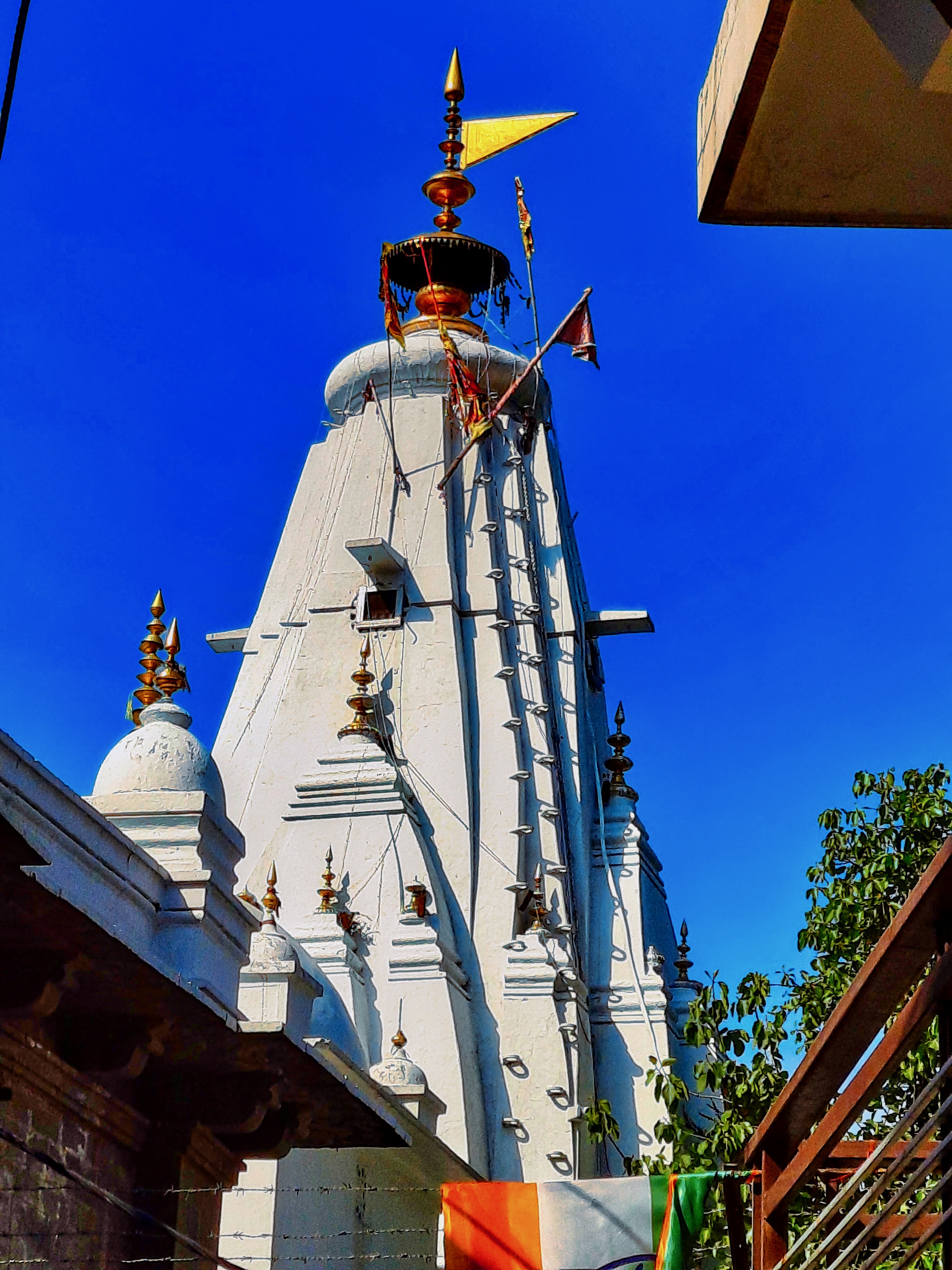
Adi Keshav Temple
Varanasi, ·
Adi Keshav Temple in Varanasi is an ancient shrine dedicated to Lord Vishnu at the confluence of the Ganga and Varuna rivers, traditionally believed to be over 4,000 years old and mentioned in the Vedeshwara Ghadavala Inscription.
Lord VishnuGanga-Varuna ConfluenceAncient Kashi
Saraswati Mandir
Varanasi, ·
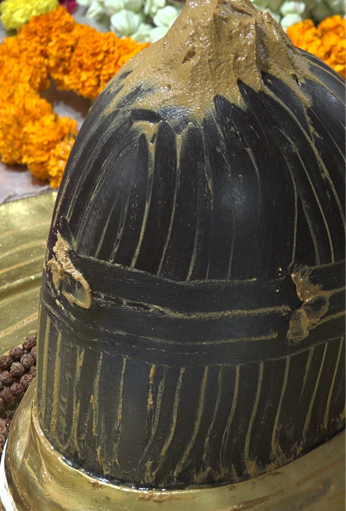
Kashi Vishwanath Temple in Varanasi is one of India's twelve sacred Jyotirlingas, dedicated to Lord Shiva as Vishwanath, the Lord of the Universe.
JyotirlingaShivaVaranasi
Kaal Bhairav Mandir, Varanasi
, ·
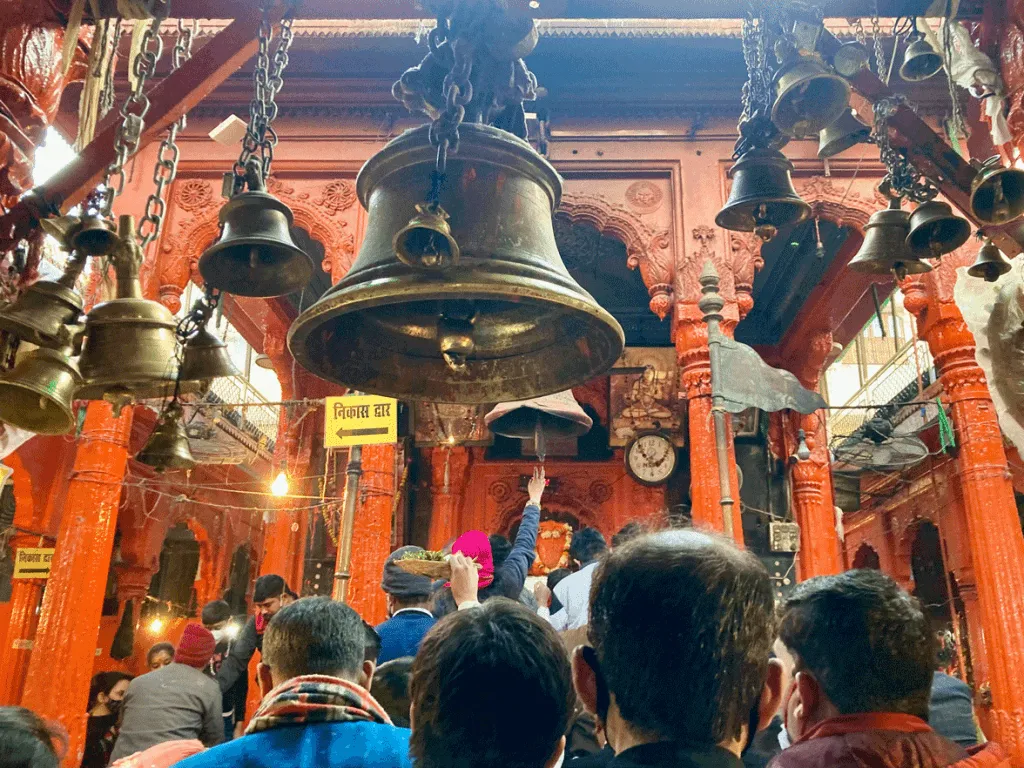
Kaal Bhairav Mandir is one of Varanasi's oldest and most powerful Shiva temples, dedicated to Bhairava, the fierce protector deity known as the Kotwal (guardian) of Kashi who grants permission for all to enter, live in, or depart the sacred city.
Shiva templefierce deityVaranasi guardian
Subarnameru Temple
, ·
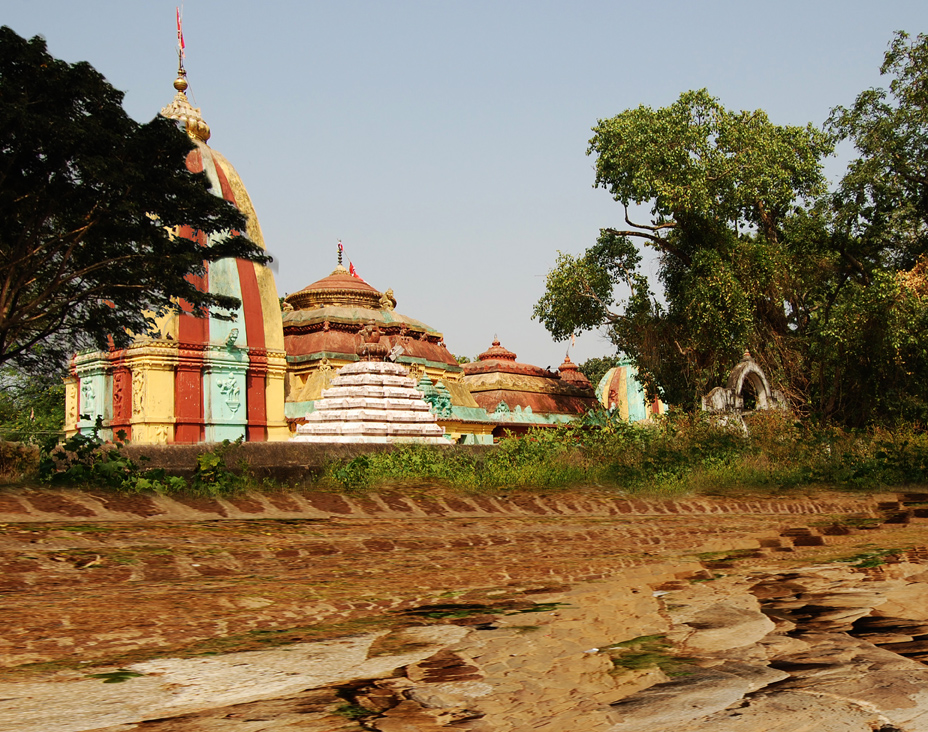
Subarnameru Temple in Sonepur, Odisha is a sacred shrine dedicated to Lord Shiva, revered as the Second Varanasi of India for its spiritual significance.
Shiva templeOdishaSonepur
Bharat Mata Mandir
, ·
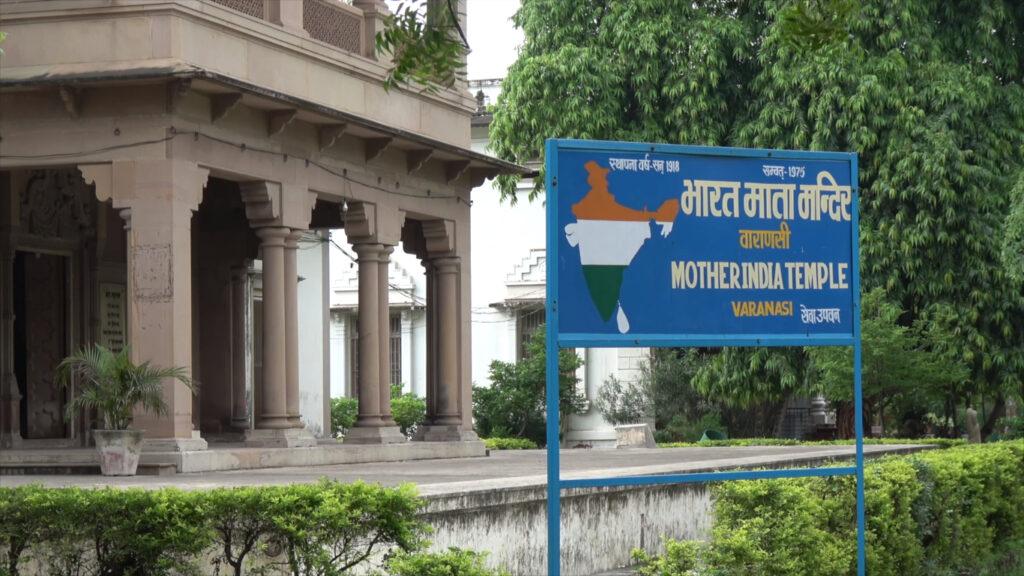
Bharat Mata Mandir is a unique temple in Varanasi dedicated to Mother India, featuring a large marble relief map of undivided India instead of traditional deity statues. Built in 1918 and inaugurated by Mahatma Gandhi in 1936, it stands as a symbol of Indian nationalism and patriotism.
Mother IndiaMarble mapPatriotic symbol

Sankat Mochan Hanuman
Varanasi, Uttar Pradesh·संकट मोचन
Sankat Mochan Hanuman Temple, established by poet-saint Tulsidas in the early 16th century, sits on the banks of the Assi River in Varanasi and is revered as one of the three most important temples in the city, drawing pilgrims seeking relief from troubles and difficulties.
HanumanVaranasi16th century
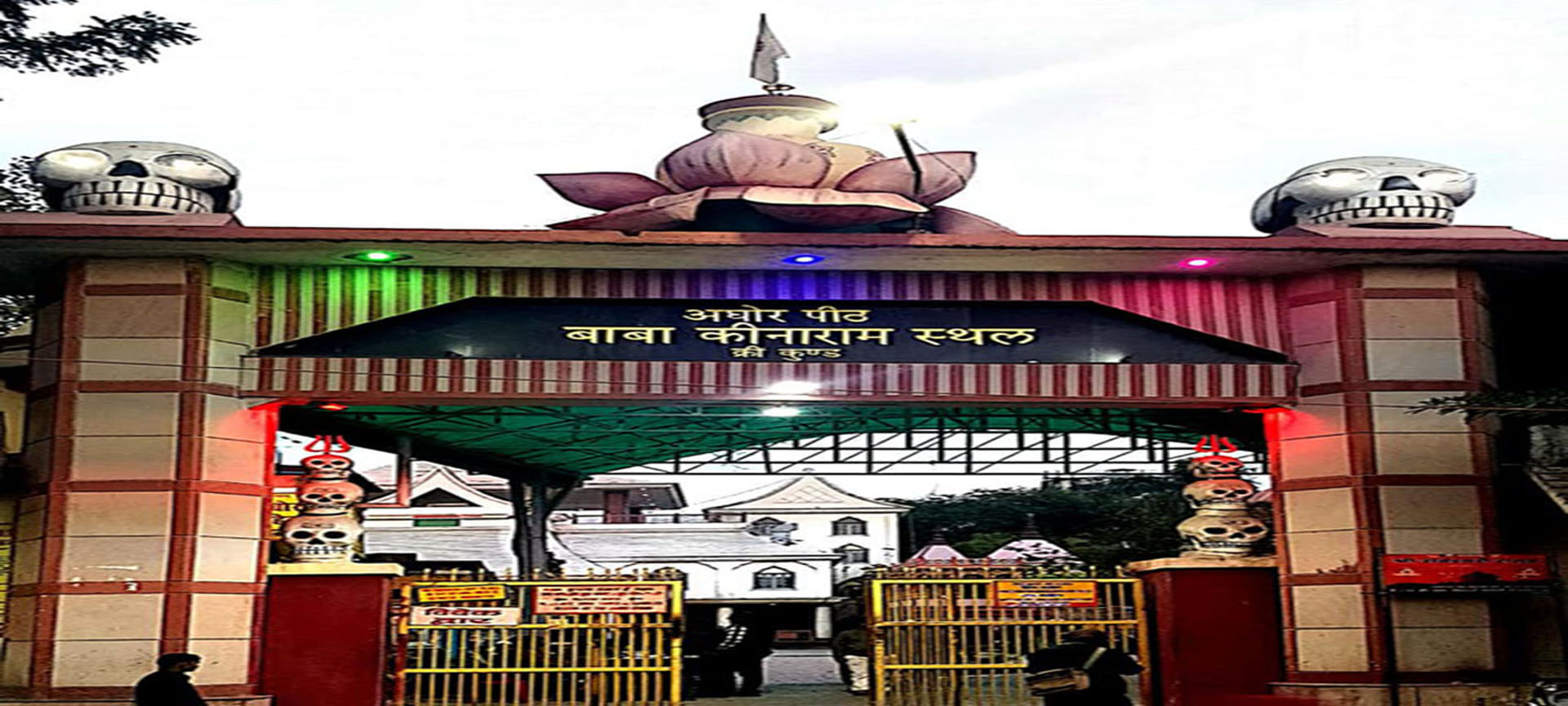
Baba Keenaram Ashram
Varanasi, ·
Baba Keenaram Ashram at Kring-Kund in Varanasi stands as the epicenter of the Aghora tradition, rejuvenated during the 16th century by Aghoracharya Maharajshree Baba Keenaram and serving as headquarters for this esoteric spiritual lineage.
Aghora traditionSamadhi shrineKring-Kund
Shree Shiv Mahavir Mandir
Varanasi, ·
Kashi Vishwanath Temple, one of Hinduism's most sacred shrines, stands on the western bank of the Ganges River in Varanasi and serves as a primary pilgrimage destination for devotees worldwide seeking darshan of Lord Shiva.
Lord ShivaJyotirlingaVaranasi pilgrimage
Sri Kashi Bugga Mandir
, ·
Shri Kashi Vishwanath Temple in Varanasi is one of the twelve sacred Jyotirlingas dedicated to Lord Shiva, standing on the western bank of the Ganga River.
JyotirlingaShiva TempleVaranasi