26 temples found
Showing verified listings
Somnath
5 Veraval, Gujarat·सोमनाथ
Somnath Temple in Veraval, Gujarat, is the first of the twelve Jyotirlingas of Shiva, revered as one of Hinduism's most sacred pilgrimage sites. The present structure was consecrated in 1951 on the Arabian Sea shore, rebuilt after centuries of destruction and restoration.
JyotirlingaShivapilgrimage
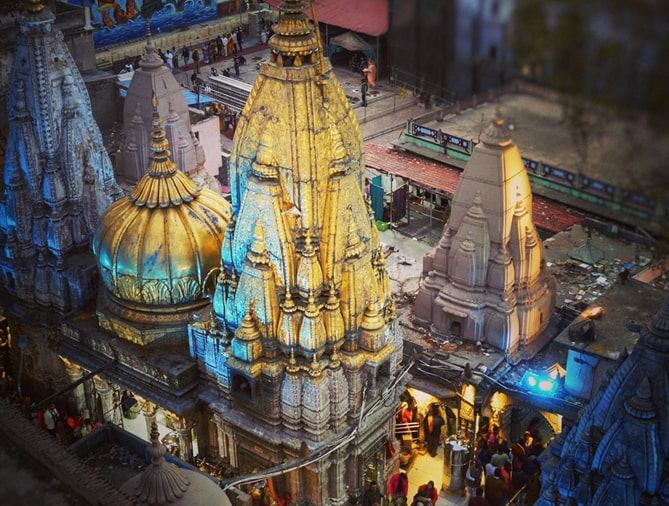
Kashi Vishwanath
4.7 Varanasi, Uttar Pradesh·काशी विश्वनाथ
Kashi Vishwanath Temple in Varanasi is one of Hinduism's most sacred shrines, dedicated to Lord Shiva as the presiding deity Vishwanath (Lord of the Universe) and designated as one of the twelve Jyotirlinga sites.
JyotirlingaShivaVaranasi
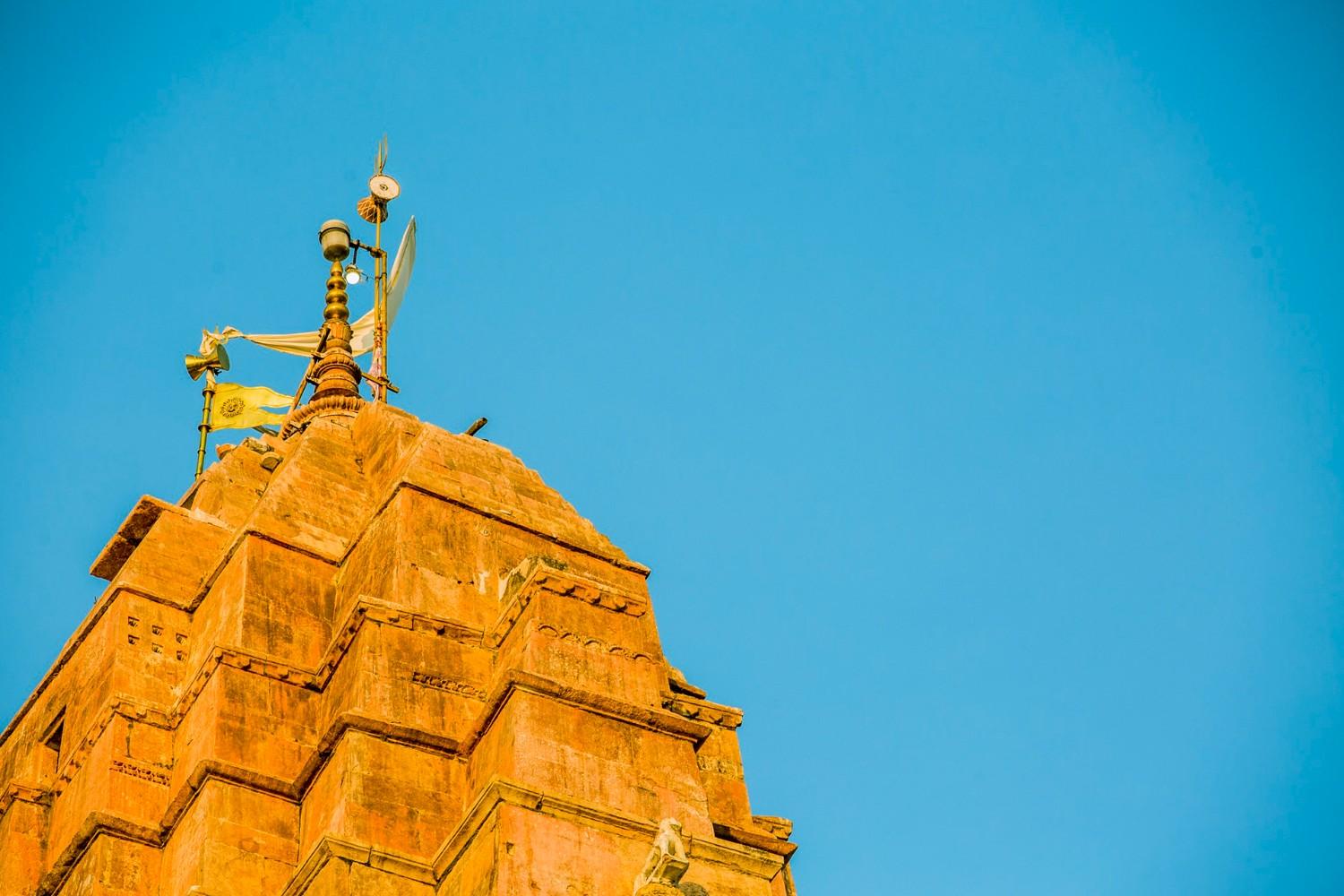
Omkareshwar Mandir
Mumbai, ·
Omkareshwar Jyotirlinga, the fourth among twelve sacred Jyotirlingas, stands on Mandhata Island in the Narmada River in Madhya Pradesh. Revered in ancient scriptures, it is uniquely known for special Shayan Darshan rituals honoring Lord Shiva's rest.
JyotirlingaLord ShivaNarmada River
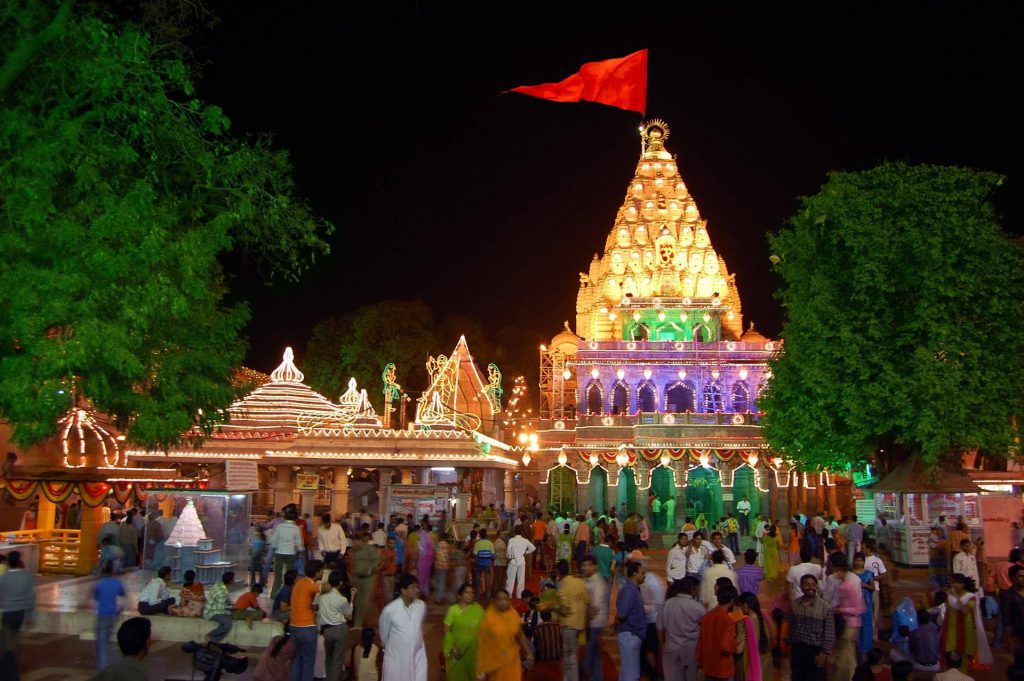
Kaleshwari Group of Monuments
, ·
Mahakaleshwar Temple in Ujjain is one of India's twelve sacred Jyotirlingas, renowned for its distinctive pre-dawn Bhasma Aarti ritual where holy ash is ceremonially offered to Lord Shiva.
JyotirlingaBhasma AartiLord Shiva
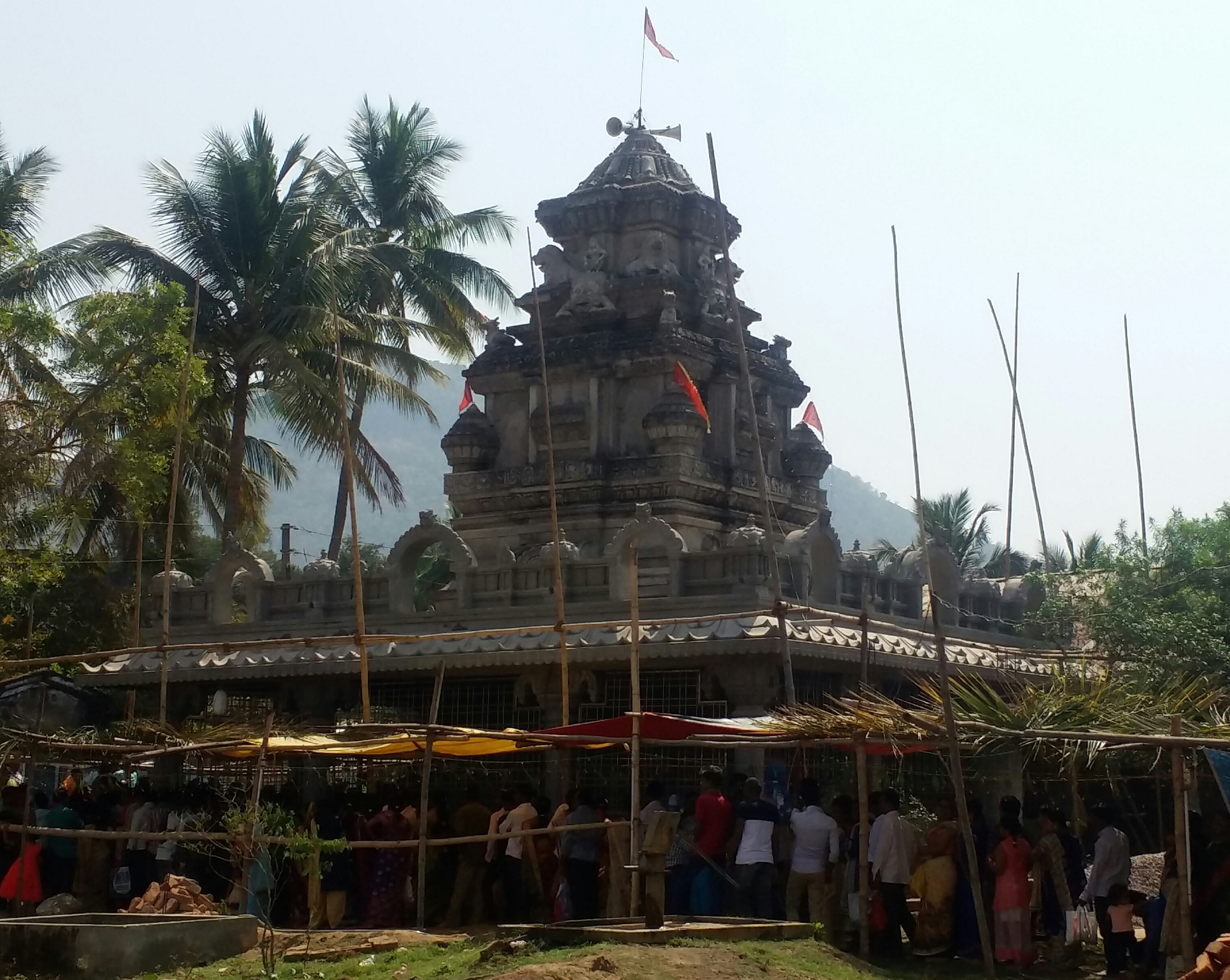
Bhimashankar Jyotirlinga (Dakinyam), Bhimpur
, ·
Bhimashankar Jyotirlinga is a sacred Hindu temple situated in the Mahendragiri mountains of Odisha, believed to be one of the twelve revered Jyotirlingas dedicated to Lord Shiva.
JyotirlingaLord ShivaOdisha
Open now
Trimbakeshwar Temple
, ·
Trimbakeshwar Shiva Temple is an ancient Hindu shrine in Trimbak, Maharashtra, housing one of the twelve sacred Jyotirlingas with a distinctive three-faced linga embodying the Tridev.
JyotirlingaShiva templeNashik
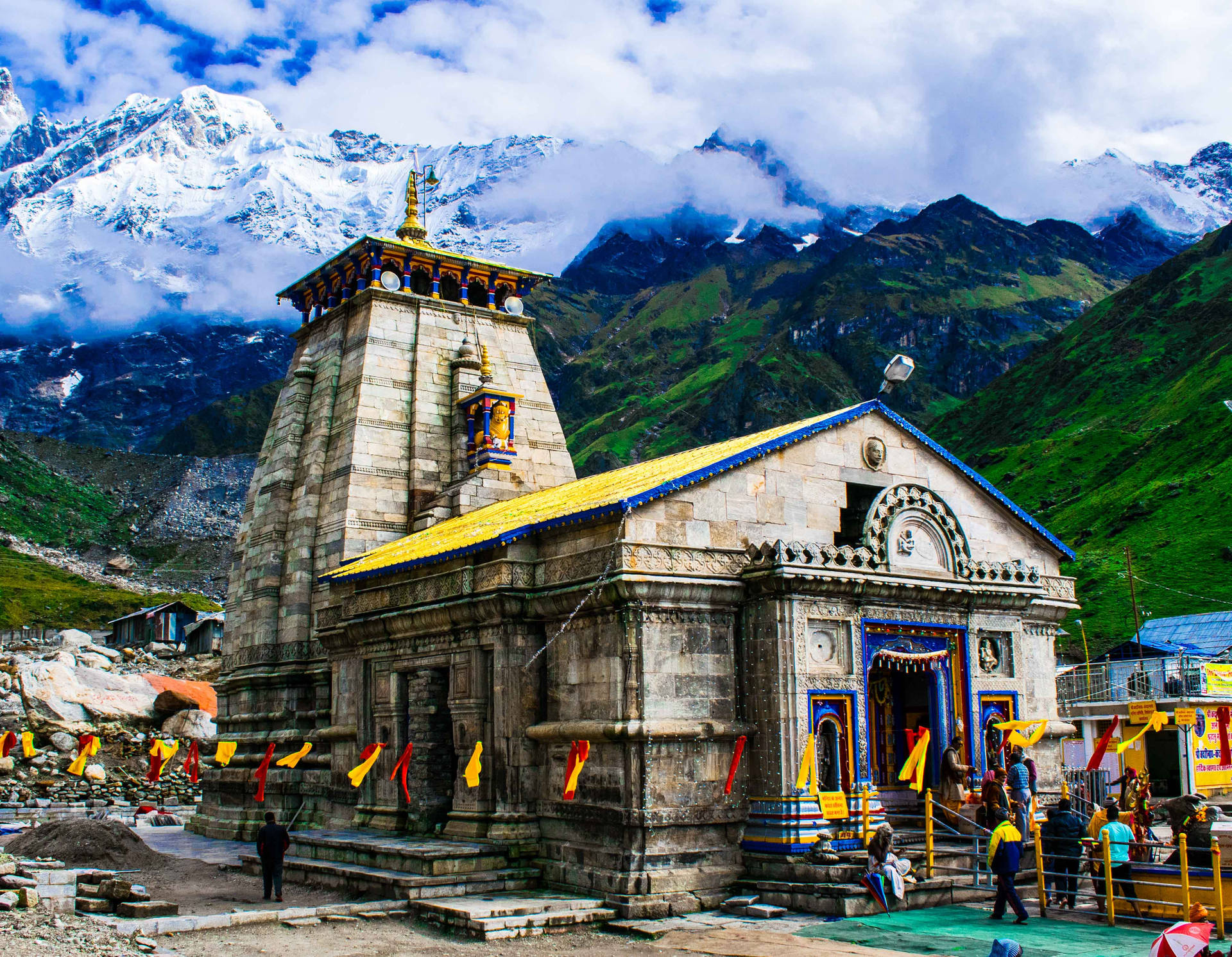
Kedarnath Temple
, ·
Kedarnath Temple, one of the twelve jyotirlingas of Shiva, stands at 3,583 meters in the Garhwal Himalayas of Uttarakhand. The temple remains open only from April to November, with the deity relocated to Ukhimath during winter months.
jyotirlingaChar DhamShiva

Mahakal temple
, ·
Mahakaleshwar Temple in Ujjain, Madhya Pradesh, is one of India's twelve sacred Jyotirlingas and the only south-facing one, dedicated to Lord Shiva as the master of time and death.
JyotirlingaShivaUjjain
Open now
Vivekananda Memorial Hall
Rameswaram, ·
The Arulmigu Ramanathaswamy Temple in Rameswaram is a sacred Shiva shrine spanning 15 acres along the Agni Tirtha coastline, where Lord Rama is believed to have installed a lingam to atone for slaying Ravana.
Shiva templeJyotirlingaChar Dham
Sun Temple
, ·
Shree Somnath Temple, dedicated to Lord Shiva as Somnath Mahadev, stands on the western shore of India in Gujarat and is revered as the foremost of the twelve Aadi Jyotirlingas. The modern temple structure was formally consecrated on May 11, 1951, by India's first President Dr. Rajendra Prasad.
JyotirlingaShivapilgrimage
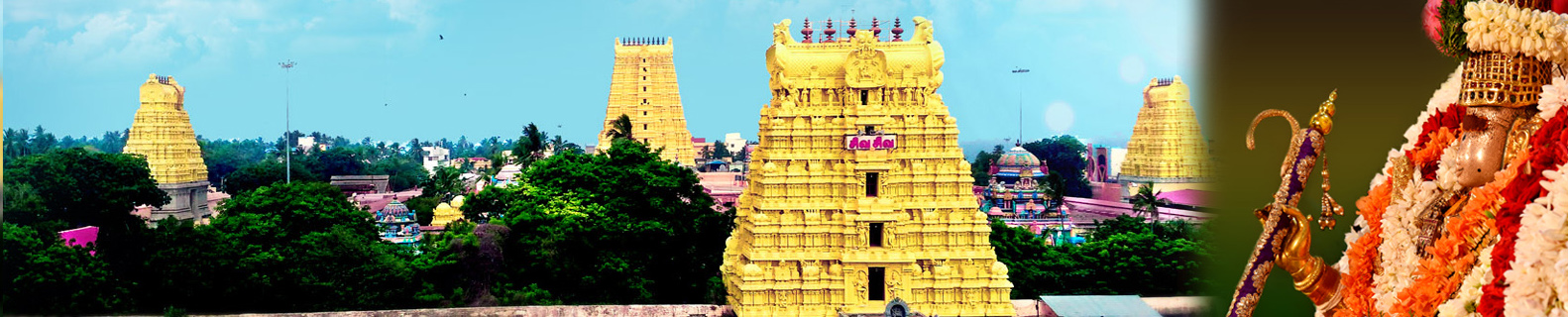
Rameshwaram Ramanathaswamy Temple
Rameswaram, ·
The Ramanathaswamy Temple in Rameswaram is one of India's twelve Jyotirlingas and a major pilgrimage site where Lord Rama is believed to have worshipped Shiva upon returning from Lanka. The temple features the longest corridor among all Hindu temples in India.
JyotirlingaChar DhamShiva temple
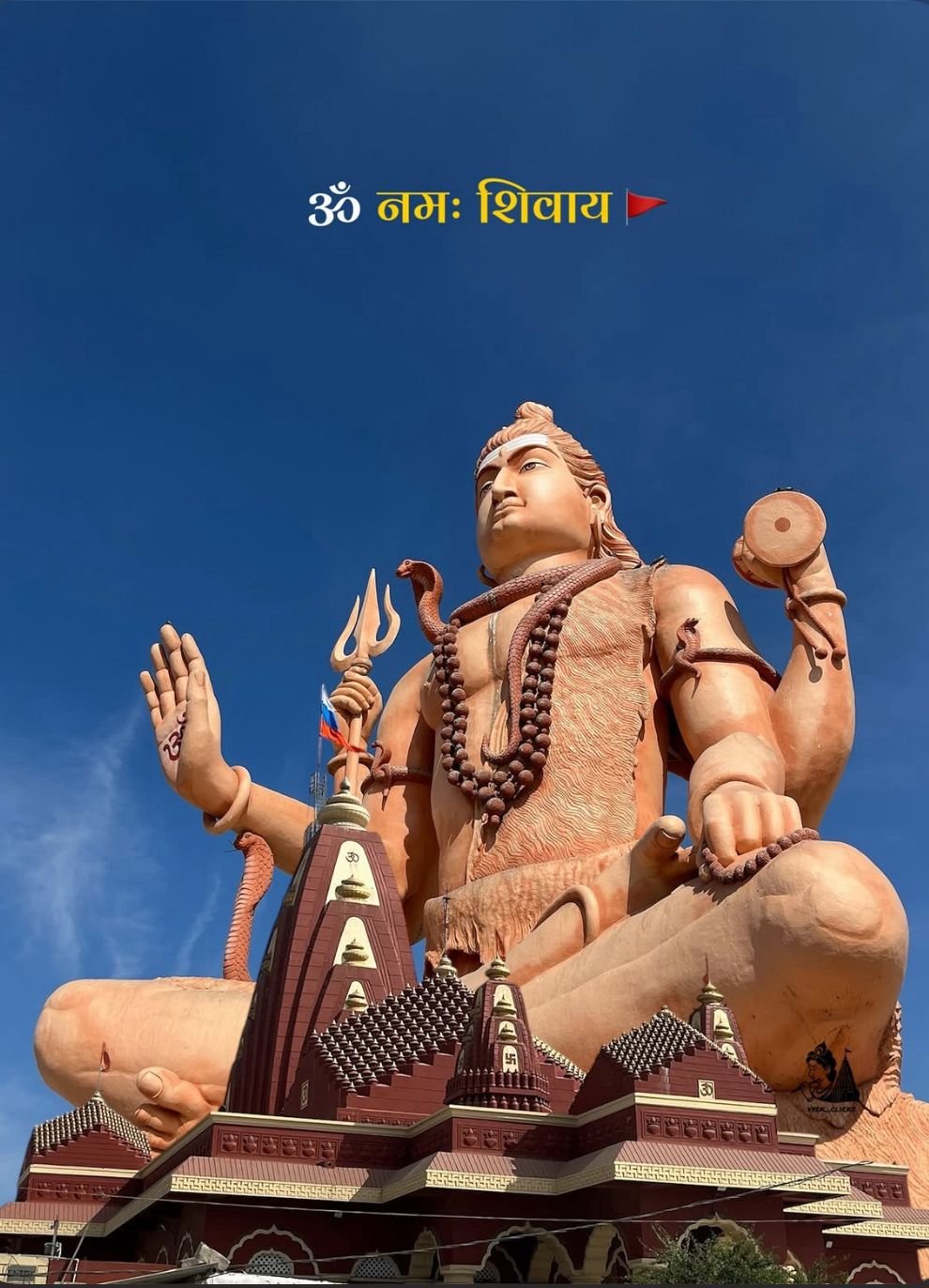
Mahadev Temple
Dwarka, ·
Nageshwar Jyotirlinga in Dwarka is an ancient shrine dedicated to Lord Shiva, revered as the Lord of Serpents. Located in Daarukavanam, it remains a significant pilgrimage destination within the Dwarka sacred circuit.
JyotirlingaShivaDwarka
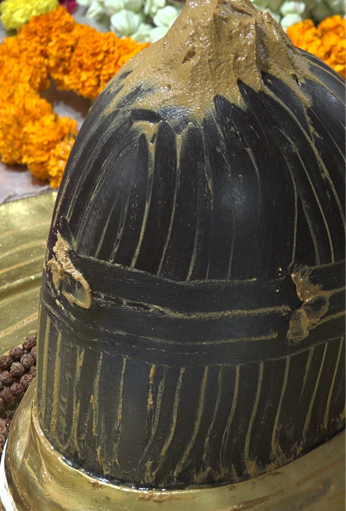
Saraswati Mandir
Varanasi, ·
Kashi Vishwanath Temple in Varanasi is one of India's twelve sacred Jyotirlingas, dedicated to Lord Shiva as Vishwanath, the Lord of the Universe.
JyotirlingaShivaVaranasi
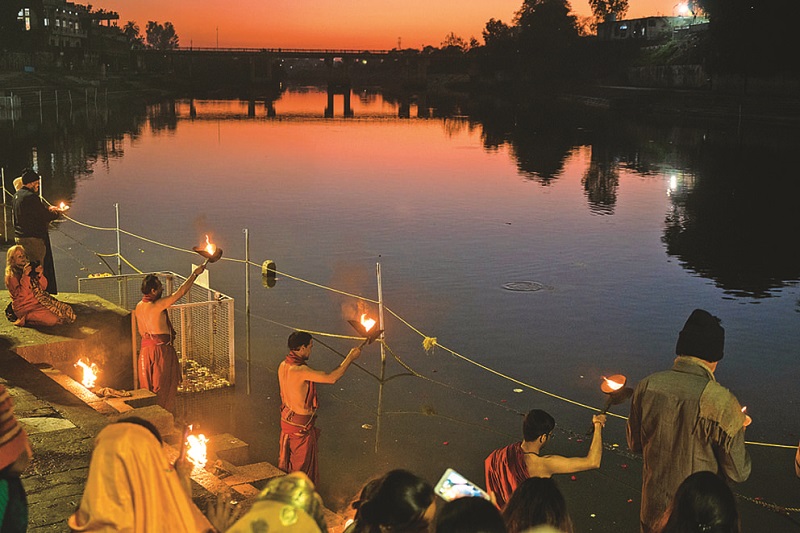
Ujjain - Banks of Shipra
Ujjain, ·
Mahakaleshwar Temple in Ujjain is one of India's twelve sacred Jyotirlingas, dedicated to Lord Shiva. The temple is renowned for its Bhasma Aarti, a distinctive ritual performed daily at 4:00 AM.
JyotirlingaShivaBhasma Aarti
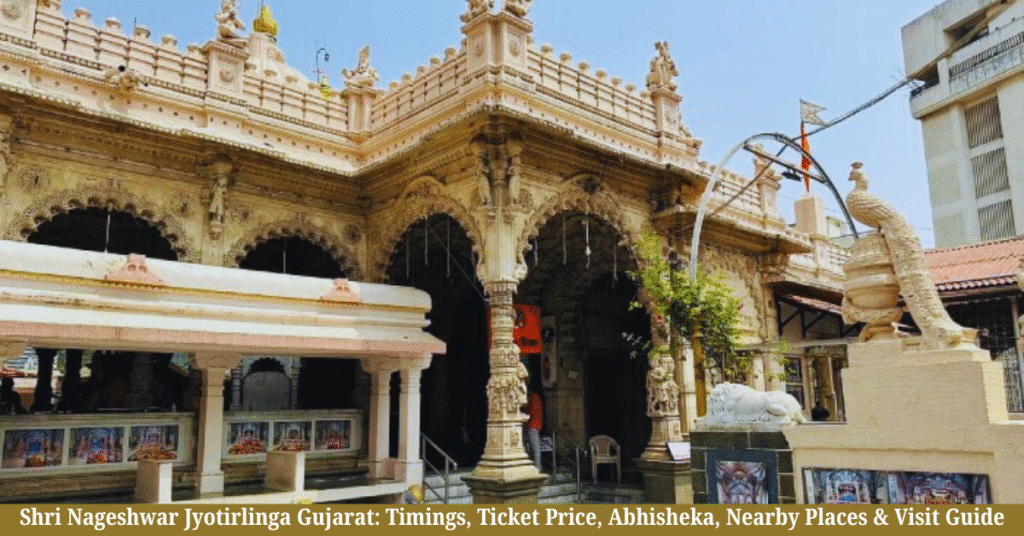
Nageshvara Jyotirlinga
, ·
Nageshwar Jyotirlinga at Aundha Nagnath in Maharashtra is one of the twelve sacred Jyotirlingas dedicated to Shiva, with origins traced to the Mahabharata era and current structure dating to the 13th century Seuna dynasty.
JyotirlingaShivaMaharashtra
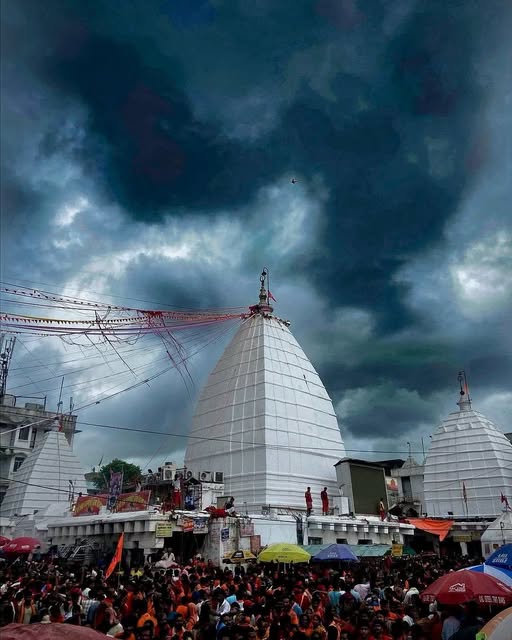
Vaidyanath Jyotirlinga
, ·
Baidyanath Jyotirlinga in Deoghar, Jharkhand, is one of the twelve most sacred abodes of Lord Shiva, where the deity manifests as Vaidyanath, the divine healer. According to legend, Ravana performed penance here and Lord Shiva blessed him, establishing this as a major pilgrimage site.
JyotirlingaLord ShivaDeoghar
Goan temple
, ·
Shri Omkareshwar Jyotirlinga is the fourth among the twelve Jyotirlingas of Lord Shiva, situated on the northern bank of the Narmada River in Madhya Pradesh, approximately 77 km from Indore.
JyotirlingaShiva templeNarmada River
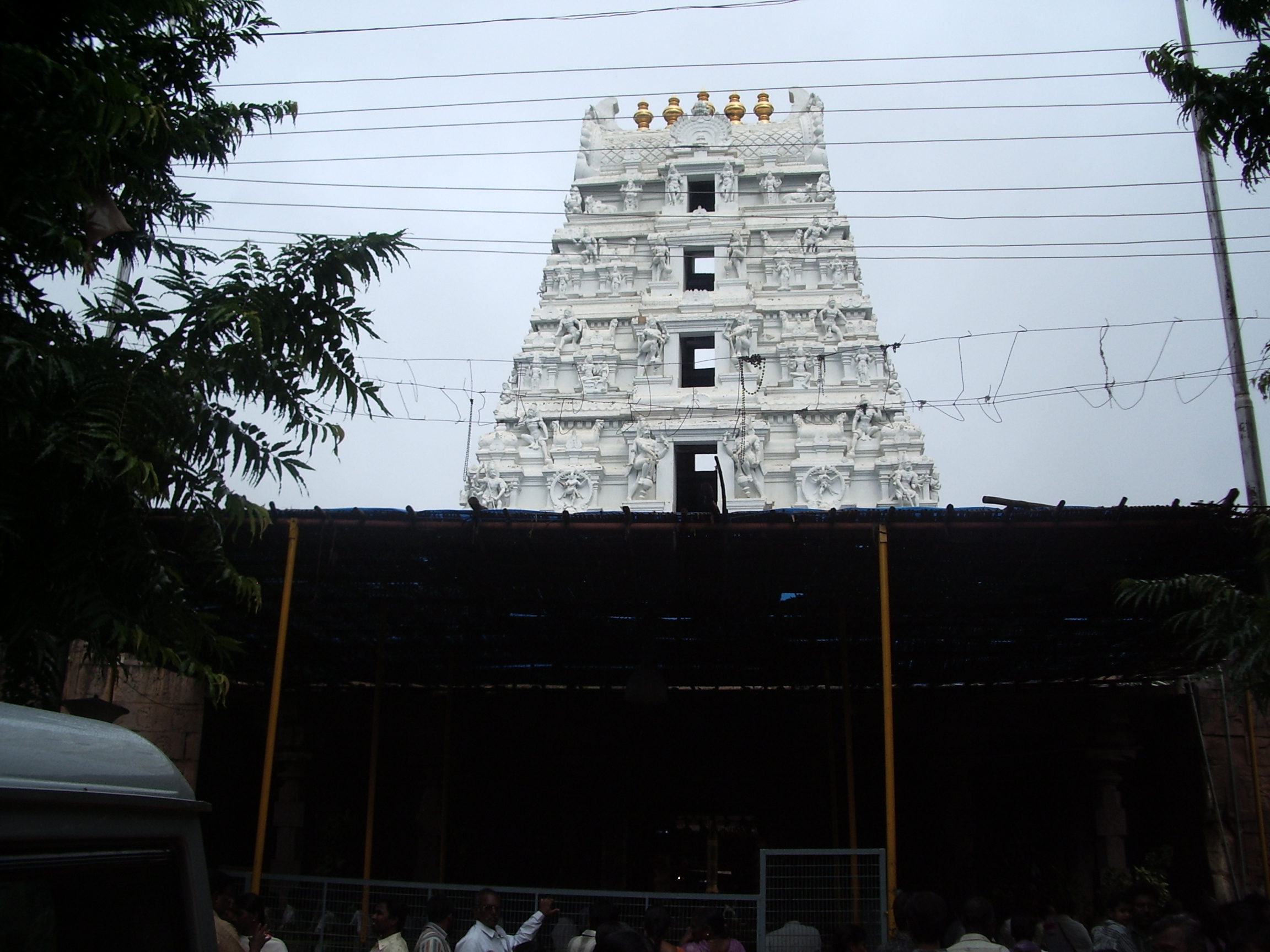
Mallikarjuna Temple
, ·
Mallikarjuna Temple at Srisailam is a major Hindu shrine dedicated to Shiva (as Mallikarjuna) and his consort Parvati (Bhramaramba), revered as one of the twelve Jyotirlingas and fifty-two Shakta Pithas.
JyotirlingaShakta PithaShiva-Parvati

Bhimashankar Temple
, ·
Bhimashankar Temple is an ancient Hindu shrine dedicated to Shiva, housing one of the twelve sacred Jyotirlingas of India. Located in the Sahyadri hills near Pune, it combines historical significance with natural biodiversity.
JyotirlingaShivaSahyadri Hills
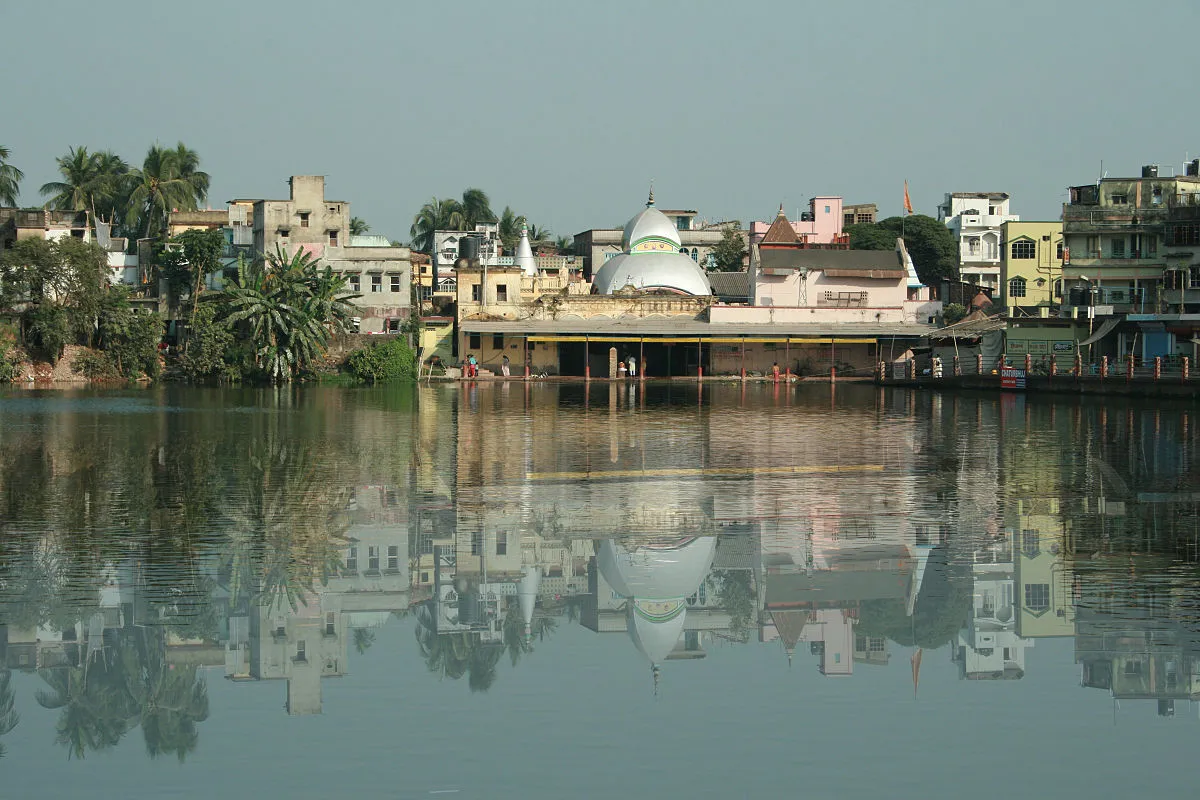
Taraknath temple
, ·
Taraknath Temple in Tarakeswar, West Bengal, is a major pilgrimage site dedicated to Lord Shiva, built in 1729 and considered one of the 64 Jyotirlingas. The temple's distinctive Bengal atchala architecture and sacred swayambhu linga attract thousands of devotees annually.
Shiva templeJyotirlingaBengal architecture
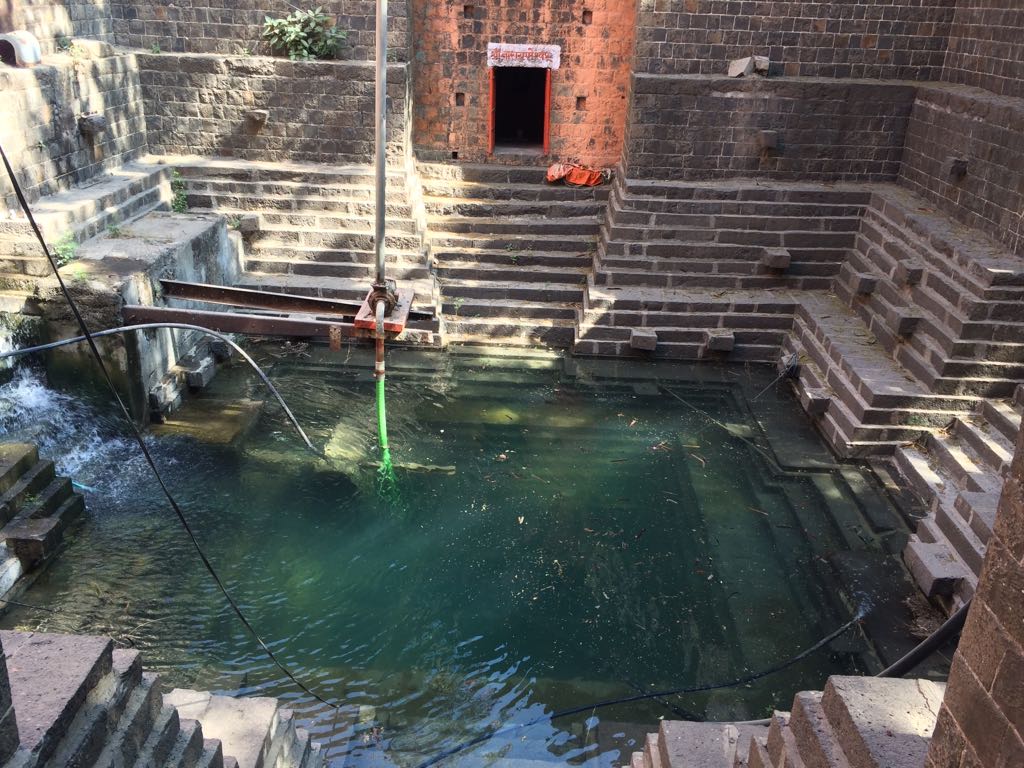
Shri Vaijnath Temple
, ·
Shri Vaijnath Temple in Parli, Beed district, Maharashtra, is one of the twelve sacred Jyotirlingas dedicated to Lord Shiva. Devotees believe the temple embodies healing energy and divine blessings associated with health and longevity.
JyotirlingaShivaMaharashtra
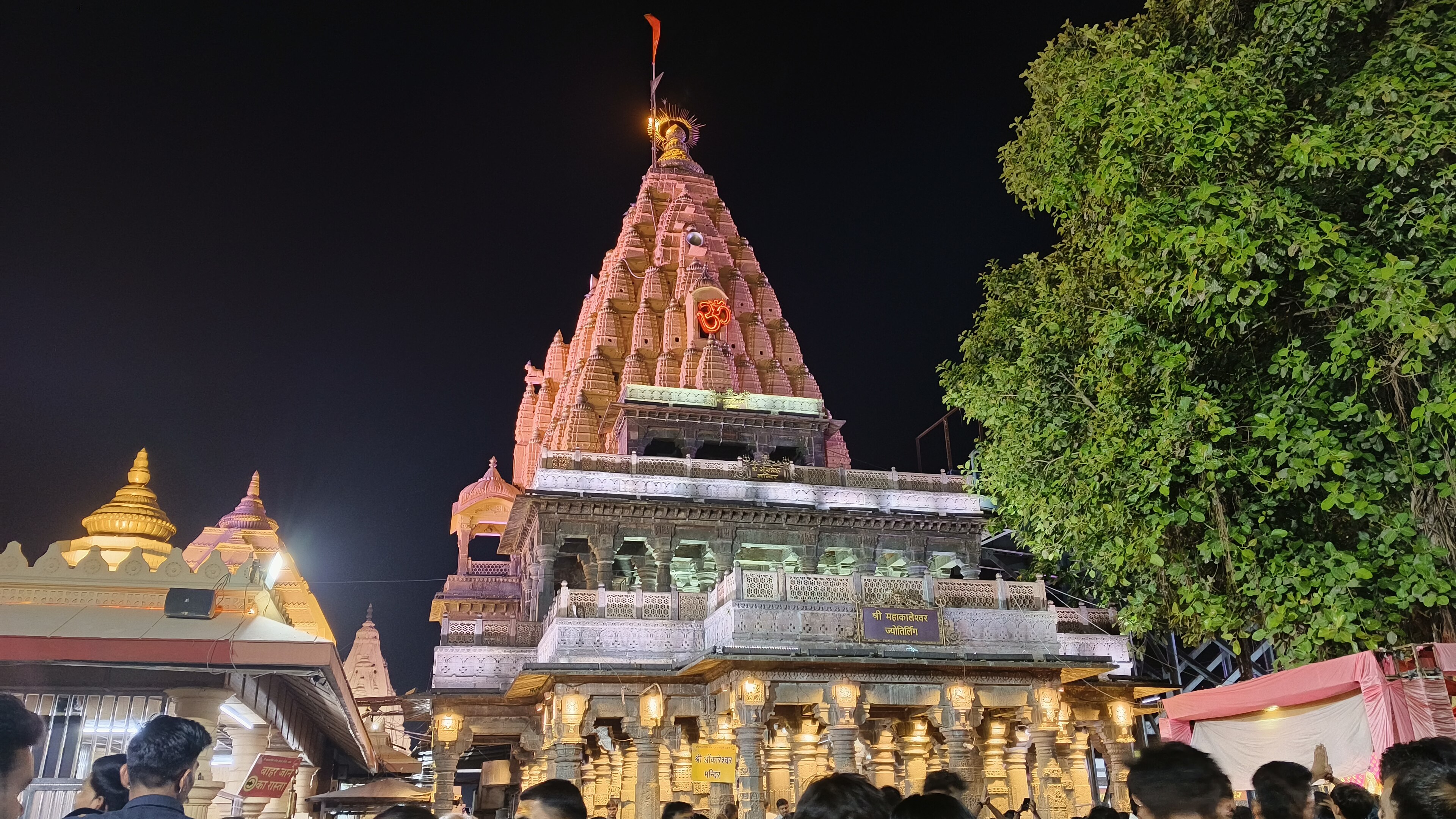
Mahakaleshwar Jyotirlinga
, ·
Mahakaleshwar Jyotirlinga is one of the twelve most sacred shrines of Shiva, located in the ancient city of Ujjain on the banks of the Shipra river in Madhya Pradesh. The presiding deity is believed to be a self-manifested lingam form of Shiva.
JyotirlingaShivaUjjain
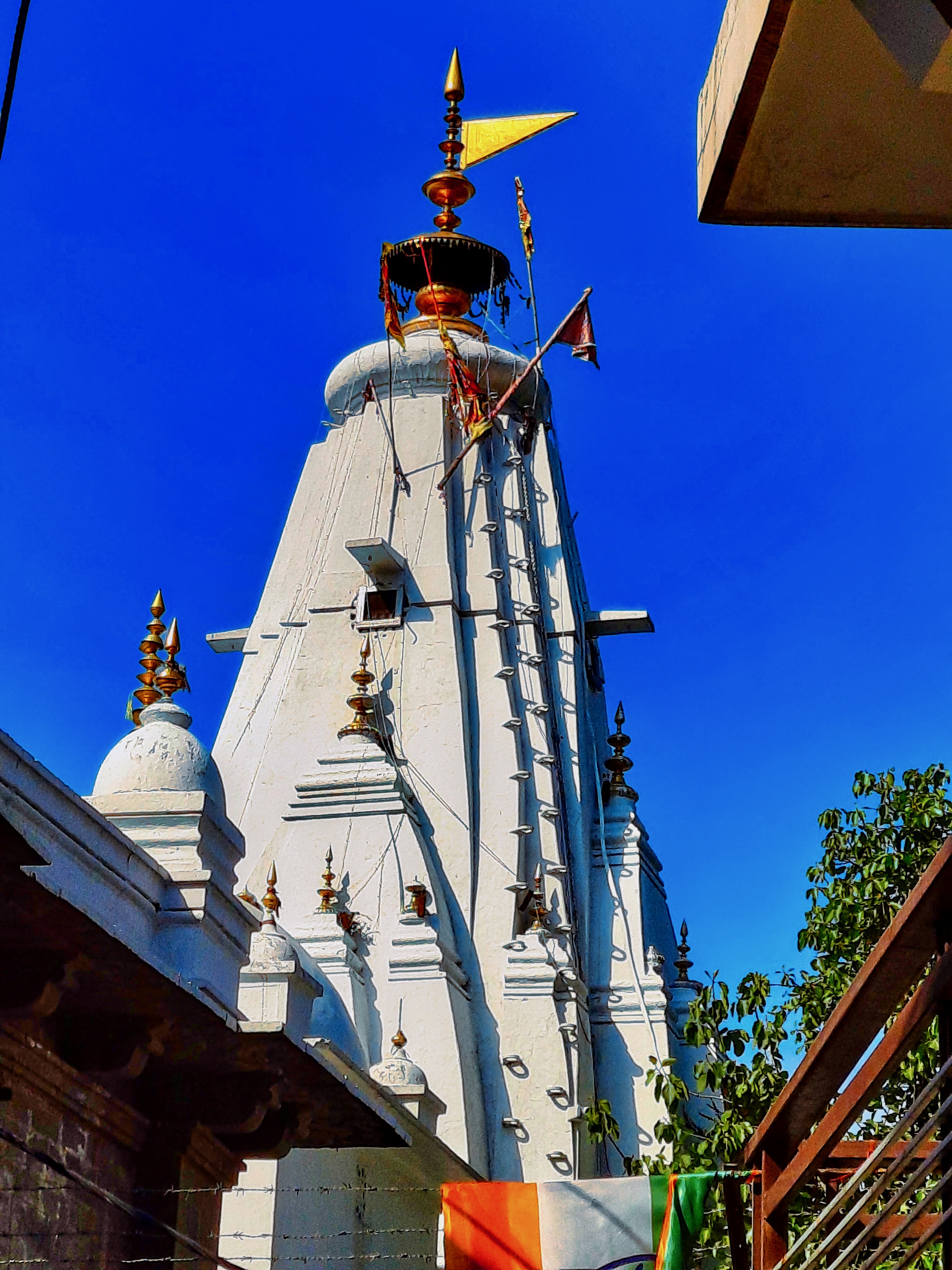
Shree Shiv Mahavir Mandir
Varanasi, ·
Kashi Vishwanath Temple, one of Hinduism's most sacred shrines, stands on the western bank of the Ganges River in Varanasi and serves as a primary pilgrimage destination for devotees worldwide seeking darshan of Lord Shiva.
Lord ShivaJyotirlingaVaranasi pilgrimage
Sri Kashi Bugga Mandir
, ·
Shri Kashi Vishwanath Temple in Varanasi is one of the twelve sacred Jyotirlingas dedicated to Lord Shiva, standing on the western bank of the Ganga River.
JyotirlingaShiva TempleVaranasi
Open now
Jharkhand Dham
, ·
Baba Baidyanath Dham in Deoghar, Jharkhand is one of India's 12 sacred Jyotirlingas where Lord Shiva is worshipped as Baidyanath, the healer, and simultaneously revered as one of the 51 Shakti Peethas dedicated to Goddess Jaya Durga.
JyotirlingaShakti PeethaShiva worship
Omkareshwar Temple
, ·
Omkareshwar Temple is one of the twelve sacred Jyotirlinga shrines dedicated to Lord Shiva, situated on Mandhata Island in the Narmada River in Madhya Pradesh. The temple's island location is said to resemble the Om (ॐ) symbol in the Devanagari script.
JyotirlingaShiva templeMadhya Pradesh